
Imagine this: you walk into your bathroom, and there it is—a clogged toilet, throwing your day off balance. Panic sets in as you wonder how to fix this embarrassing dilemma quickly and without calling a plumber.
What if you could solve this problem with something as simple as a plastic bag? Yes, you heard that right. This unexpected household item could be your knight in shining armor. Intrigued? You should be. By the end of this article, you'll discover a surprisingly effective technique that may just save you time, money, and a whole lot of stress.
Curious to learn this nifty trick? Let's dive in and tackle that toilet trouble head-on!

Credit: www.youtube.com
Tools Needed
To unclog a toilet with a plastic bag, gathering the right tools is essential. The main item is a sturdy plastic bag that can create enough pressure to move the blockage. Along with the bag, a few other supplies help keep the process clean and safe. Having everything ready makes the task easier and faster.
Choosing The Right Plastic Bag
- Use a strong, thick plastic bag to avoid tearing.
- Choose a bag large enough to cover the toilet drain fully.
- Trash bags or heavy-duty freezer bags work best.
- Avoid thin grocery or produce bags that can break easily.
Additional Supplies
- Rubber gloves to protect your hands from germs.
- Old towels or rags to clean up any spills.
- A bucket to catch excess water if needed.
- Disinfectant spray for cleaning after the job.

Credit: www.youtube.com
Preparing The Toilet
Before you dive into unclogging your toilet with a plastic bag, it's essential to prepare the toilet properly. This preparation can save you from making the clog worse or creating a bigger mess. Taking a moment to understand the situation and adjust the water level helps you work more efficiently and safely.
Assessing The Clog
Start by checking how bad the clog is. Is the water barely draining, or is it completely stopped? You can tell by gently flushing the toilet and watching the water level rise.
Look for signs like slow drainage or water backing up into the bowl. If the water is rising too high, it means the blockage is severe and needs careful handling. Knowing the severity helps you decide how forceful you should be when using the plastic bag.
Reducing Water Level
If the water level is too high, you need to lower it before trying to unclog. Too much water can spill over and make a mess when you apply pressure with the plastic bag.
Use a small container or cup to scoop out excess water into a bucket or sink. Removing some water gives you room to work safely and effectively without flooding your bathroom.
Have you ever tried fixing a clog only to flood the floor? Taking this simple step can save you from that frustrating experience.
Using The Plastic Bag Method
The plastic bag method offers a surprisingly effective way to unclog a toilet without special tools. It leverages basic physics and hot water to create pressure that can push the blockage through. You don’t need a plunger or a plumber on speed dial—just a sturdy plastic bag and some patience.
Filling The Bag With Hot Water
Start by selecting a strong plastic bag, like a heavy-duty trash bag or a large resealable bag. Fill it about halfway with hot water—make sure it’s hot but not boiling to avoid damaging the bag. The hot water adds weight and heat, which helps soften the clog and build the pressure needed to clear it.
Sealing And Positioning The Bag
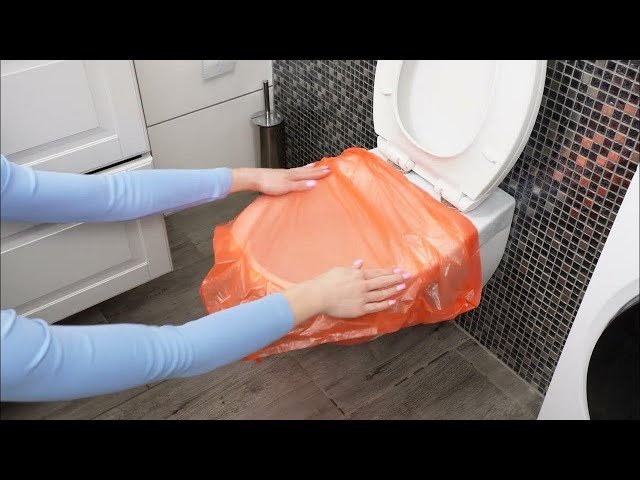
Seal the bag tightly to prevent leaks. You can use a twist tie or a rubber band to secure the opening. Then, position the bag inside the toilet bowl, aiming to cover the drain hole completely. The seal between the bag and the bowl is crucial because it traps the pressure you’ll create next.
Applying Pressure To Clear The Clog
Press down firmly on the bag, using slow, steady pressure. The hot water inside pushes down on the clog, helping to break it apart or push it through the pipes. You might need to repeat this a few times—don’t rush. Have you noticed how consistent pressure often outperforms sudden force in stubborn clogs?

Credit: www.youtube.com
Alternative Plastic Bag Techniques
Plastic bags offer simple solutions beyond just carrying items. They can help clear a clogged toilet in creative ways. These alternative techniques save time and avoid damage.
Both methods use common plastic bags found at home. They require little effort and no special tools. Understanding these techniques can make toilet unclogging easier and faster.
Creating A Diy Plunger
Use a thick plastic bag to form a makeshift plunger. Choose a bag strong enough to hold water pressure.
- Fill the bag halfway with water for weight.
- Tie the top tightly to avoid leaks.
- Place the bag over the toilet drain, ensuring full coverage.
- Push and pull the bag gently to create suction.
- Repeat several times to loosen the blockage.
This DIY plunger mimics the force of a regular plunger. It helps break up clogs without needing extra tools.
Using Bag As A Seal For Suction
Plastic bags can improve suction by sealing the drain tightly. This technique works best with a standard plunger.
- Place the plastic bag inside the toilet bowl over the drain.
- Press the bag edges firmly against the bowl rim to create a seal.
- Insert the plunger into the bag-covered drain.
- Push and pull the plunger to build strong suction.
- Remove the bag and check if water flows freely.
The bag prevents air leaks during plunging. This increases pressure and clears the clog faster.
Preventing Future Clogs
Preventing future clogs is easier than you might think. Small changes in how you use and maintain your toilet can save you from messy and frustrating blockages. Paying attention to what goes down the drain and keeping up with simple upkeep can make a big difference.
Proper Toilet Use Habits
Your daily habits play a huge role in preventing clogs. Avoid flushing anything other than waste and toilet paper. Items like wipes, paper towels, and feminine hygiene products don’t break down easily and often cause blockages.
Consider how much toilet paper you use each time. Using too much at once can overwhelm the pipes. Try flushing twice if you need to use more paper instead of flushing it all at once.
Have you ever thought about what happens after you flush? Sometimes, heavy objects like toys or dental floss accidentally fall into the toilet. These can cause serious clogs, so keeping the toilet lid closed when not in use can prevent accidents.
Regular Maintenance Tips
Keeping your toilet and pipes in good condition helps avoid clogs before they start. Pouring a cup of vinegar into the bowl once a week can help break down buildup and keep things flowing smoothly. It’s a simple step that costs little but pays off big.
Using a plunger regularly, even when you don’t have a clog, can keep your drain clear. It helps move small blockages along before they turn into bigger problems.
Don’t forget to check your toilet’s flushing power. Weak flushes might mean a partial clog or an issue with the mechanism. Fixing this early can prevent full blockages later on.
- Inspect your toilet for leaks or cracks.
- Clean the rim jets under the toilet bowl to maintain strong flushes.
- Schedule occasional professional drain cleaning if you notice slow drainage frequently.
When To Call A Professional
Knowing when to call a professional plumber can save you time, money, and prevent further damage to your home. While unclogging a toilet with a plastic bag might work for minor blockages, some situations demand expert help. Recognizing these moments is key to avoiding bigger problems down the line.
Signs Of Severe Blockages
Is your toilet still backing up after multiple attempts to clear the clog? That’s a clear sign the blockage is more serious than a simple DIY fix can handle.
Other warning signs include:
- Water rising slowly or not draining at all
- Unpleasant sewage smells coming from the toilet or drains
- Multiple drains in the house clogging simultaneously
- Gurgling sounds when flushing or using other drains
If you notice any of these, it’s time to stop trying to fix it yourself. Persistent blockages often indicate issues deeper in the plumbing system, like tree roots invading pipes or broken sewer lines.
Avoiding Damage
Trying to force a clog out with a plastic bag or other tools can cause cracks or leaks if the blockage is stubborn. This can lead to costly repairs and water damage that affects your home’s structure.
Remember, your plumbing system is delicate. Over-aggressive attempts might worsen the problem or create new ones.
Calling a professional ensures the right tools and techniques are used safely. They also provide a thorough inspection to prevent future blockages, saving you headaches and unexpected bills.
Have you ever pushed a DIY fix too far and regretted it? Knowing your limits can protect your home and your peace of mind.
Frequently Asked Questions
How Can A Plastic Bag Unclog A Toilet?
A plastic bag can create suction to dislodge the blockage. By filling it with water and pressing, you push pressure to clear the clog safely without harsh chemicals.
Is Using A Plastic Bag Safe For Toilets?
Yes, using a plastic bag is safe if done gently. Avoid harsh pushing to prevent damage. It’s a chemical-free, eco-friendly alternative to unclog toilets.
What Type Of Plastic Bag Works Best For Unclogging?
Use a strong, sealable plastic bag like a zip-lock. It should hold water without leaking and create enough suction when pressed against the toilet drain.
How Long Does It Take To Unclog A Toilet With A Plastic Bag?
Usually, it takes 5 to 10 minutes of consistent pressure. Repeat the process if needed. This method is quick and effective for minor clogs.
Conclusion
Unclogging a toilet with a plastic bag is simple and quick. You only need a few easy steps to clear the blockage. This method saves time and avoids harsh chemicals. Always stay calm and work carefully. Remember, small problems can become big if ignored.
Try this trick next time your toilet clogs. It helps keep your bathroom clean and working well. Simple tools often solve common issues at home. Give it a try and see how easy it is!