
Are you tired of wrestling with bin bags that are either too big or too small for your trash can? You're not alone.
Choosing the right size bin bag can feel like a guessing game, but it doesn't have to be. Imagine the relief of having a perfectly fitted bin bag every time, making your life easier and keeping your space tidy. In this guide, we'll unravel the mystery of bin bag sizes, helping you make the perfect choice with confidence.
Keep reading to discover how to match your bin with the right bag, saving you time, hassle, and even a little bit of sanity.
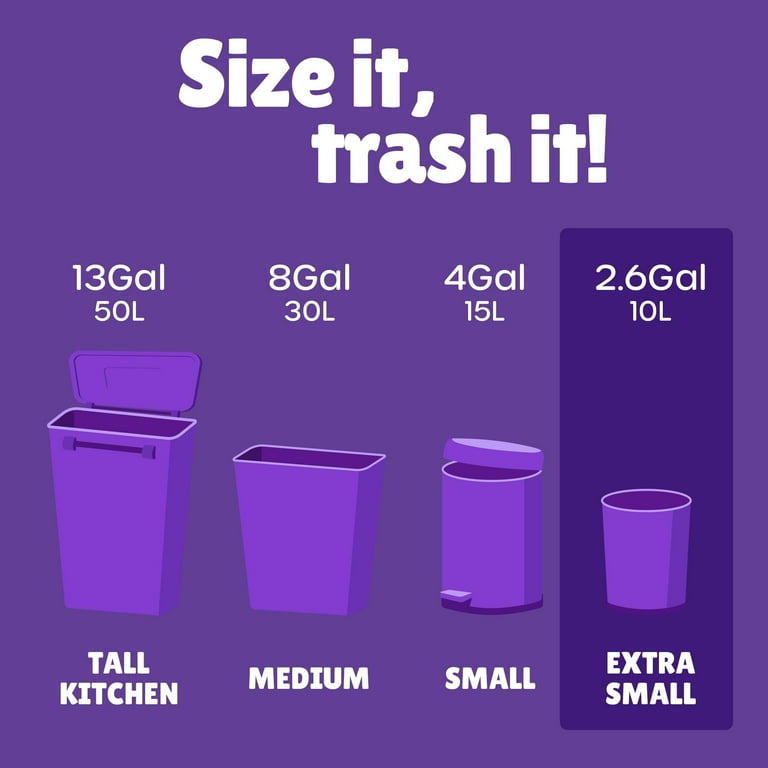
Credit: www.walmart.com
Common Bin Bag Sizes
Choosing the right bin bag size can make your waste disposal much easier and more efficient. Bin bags come in a variety of sizes, each suited for different types of waste and locations around your home or workplace. Knowing the common sizes helps you pick the perfect fit, so you avoid overflows or wasted space.
Small Bags For Bathroom And Office
Small bin bags usually range from 10 to 20 liters. They are perfect for bathrooms and offices where the amount of waste is minimal. These bags handle light trash like tissue paper, cotton swabs, or snack wrappers without taking up too much space.
If you’ve ever struggled with bulky bags in a small bathroom bin, switching to these smaller sizes might solve that problem. Do you find your office bin often overflowing, or does it stay nearly empty? Small bags can help you balance convenience and tidiness.
Medium Bags For Kitchen Use
Medium bin bags typically hold between 30 and 50 liters, making them ideal for kitchens. Kitchens generate diverse waste—food scraps, packaging, and recyclables—so you need a bag that fits your bin and handles moderate loads. A 40-liter bag often fits standard kitchen bins perfectly.
Think about how often you take out the kitchen trash. Using medium bags can reduce the frequency without making the bag too heavy to lift. Have you noticed how a bag that’s too large can tear easily when filled with kitchen waste? Choosing the right size prevents spills and saves time.
Large Bags For Outdoor And Garden Waste
Large bin bags range from 60 to 90 liters and work well for outdoor bins or garden waste. These bags are great for leaves, grass clippings, and general yard debris. They allow you to collect more waste in one go, reducing trips to the curb or compost bin.
When you’re tidying up the garden, you want a bag that holds a lot but won’t tear under the weight of wet leaves or branches. Have you ever had to double-bag because your garden waste ripped through? Large bags designed for outdoor use can handle tough conditions better.
Extra Large Bags For Heavy-duty Needs
Extra large bin bags hold over 90 liters and are made for heavy-duty tasks like construction debris or large-scale cleanups. These bags are thicker and more durable to carry heavy, sharp, or bulky waste safely. They are ideal if you often handle renovation or bulk trash removal.
Have you tried using a regular bin bag for heavy waste and ended up with a mess? Investing in extra large, heavy-duty bags saves you time and frustration. They provide the strength you need without compromising on capacity.

Credit: www.amazon.com
Measuring Your Bin
Knowing the exact size of your bin is key to choosing the right bin bag. Measuring your bin accurately helps avoid the frustration of bags that are too tight or too loose. It also ensures you get the best value by not overbuying bags that are larger than needed.
How To Measure Bin Dimensions
Start by measuring the height of your bin from the base to the top edge. Use a tape measure or ruler for accuracy.
Next, measure the width and depth of the opening. If your bin is circular, measure the diameter instead.
Write down these three numbers clearly. These are essential for figuring out the right bag size.
Calculating Volume For Bag Capacity
To find out the bag size you need, calculate your bin’s volume using the measurements.
| Bin Shape | Volume Formula | Example |
|---|---|---|
| Rectangular | Height × Width × Depth (all in meters) = cubic meters (m³) | 0.5m × 0.3m × 0.4m = 0.06 m³ (60 liters) |
| Cylindrical | π × (Radius)² × Height = cubic meters (m³) | 3.14 × (0.15m)² × 0.5m = 0.035 m³ (35 liters) |
Convert cubic meters to liters by multiplying by 1,000 (1 m³ = 1,000 liters). This gives you the approximate bin capacity.
Does your bin bag choice match this volume? If not, consider adjusting your measurements or choosing a bag with a little extra room for easier fitting.
Matching Bag Size To Bin Shape
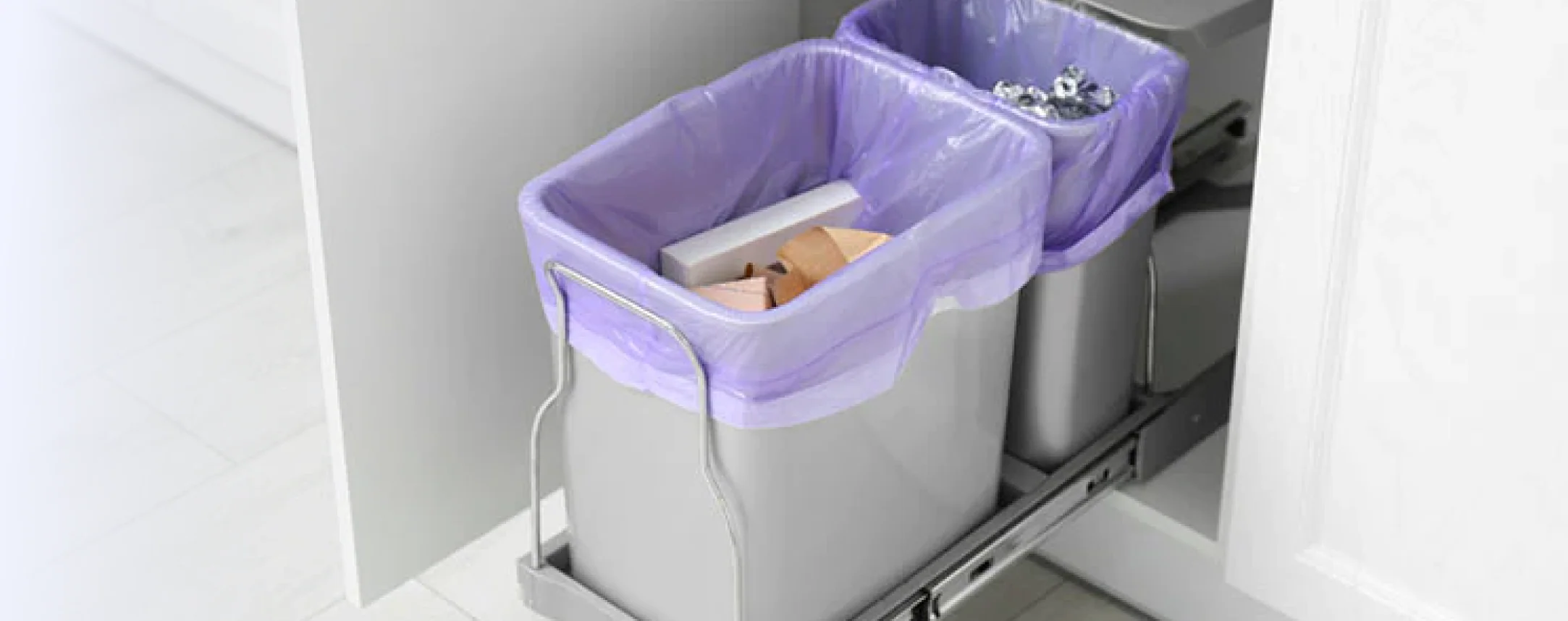
Choosing the right bin bag size isn't just about volume; it's about how well the bag fits your bin's shape. A perfectly sized bag stays in place, making waste disposal easier and cleaner. Misfit bags can slip, tear, or leave gaps, causing mess and frustration.
Round Bins
Round bins are common in kitchens and offices. Their curved sides mean you need a bag with a flexible fit that can stretch without tearing.
Look for bags labeled as "round bin" or those slightly larger than the bin’s diameter. This extra room helps the bag wrap around the curves smoothly.
If the bag is too small, it will bunch up at the bottom and might burst under pressure. Too large, and it will sag, making it harder to tie up.
Square And Rectangular Bins
Square and rectangular bins have straight edges and corners that can be tricky. Bags designed for these shapes usually have gussets or folds to fit corners snugly.
Choosing a bag with the correct width and depth is crucial—measure both the base and the height of your bin.
One trick is to pick a bag slightly wider than the bin’s widest point to avoid stress on the seams in the corners.
Slim And Tall Bins
Slim and tall bins save space but can be challenging for bag fitting. The height means you need a taller bag, while the slim width requires a narrow design.
Don’t just rely on height; check the bag’s circumference to ensure it won’t slip down or bunch up.
Have you noticed how some tall bags leave gaps near the top? Choosing a bag that matches both height and width keeps the bag secure and easy to lift out.
Material And Thickness Considerations
Choosing the right bin bag isn’t just about size; the material and thickness play a huge role in how effective and durable your bag will be. These factors affect what kind of waste the bag can handle and how long it will last without tearing. Understanding these details can save you from messy situations and extra expenses.
Standard Vs Heavy-duty Bags
Standard bin bags are designed for everyday waste like paper, food scraps, and light household rubbish. They are usually thinner and less expensive, which makes them a good choice for typical kitchen or office bins.
Heavy-duty bags, on the other hand, are thicker and stronger. They can handle sharp objects, heavy loads, and outdoor waste without ripping. If you’ve ever had a bag tear and spill garbage all over, you know how frustrating it can be. Using heavy-duty bags for tough jobs helps avoid that hassle.
Think about what kind of waste you produce most often. Do you need a bag that can hold garden clippings or construction debris? If yes, heavy-duty bags are the safer bet. For everyday trash, standard bags usually do the job just fine.
Biodegradable And Compostable Options
More people are asking about eco-friendly bin bags because they want to reduce plastic waste. Biodegradable bags break down more quickly than regular plastic, but the process still depends on the environment they end up in.
Compostable bags are made to break down in composting conditions, turning into natural materials without leaving harmful residues. These are ideal if you have a compost bin and want to keep things green.
However, not all biodegradable or compostable bags are created equal. Check the labels and certifications to make sure the bag meets your needs. Do you want to reduce landfill waste or just avoid plastic? Your choice can make a real difference.
Common Uses And Recommendations
Choosing the right size bin bag depends heavily on what you plan to throw away. Different types of waste require different capacities and strengths. Understanding common uses helps you pick the perfect bag without wasting money or space.
Household Waste
For everyday trash like kitchen scraps, packaging, and small clutter, medium-sized bags around 30 to 45 liters usually fit well. They handle typical loads without tearing or becoming too heavy to carry. If you often throw away bulky items like old clothes or small appliances, consider larger bags around 60 liters.
Have you noticed how quickly kitchen waste builds up after cooking? Using a bag that's too small means multiple trips to replace it. A 40-liter bag often strikes the right balance for most homes.
Office Waste
Office waste mostly includes paper, plastic wrappers, and light packaging. Small to medium bags, about 20 to 35 liters, work best here. They fit under desks or in bins without taking up too much space.
When your office produces more paper, larger bags can save time by reducing how often you change them. Think about how many people share the space and how often bins are emptied before choosing your bag size.
Yard And Garden Waste
Leaves, grass clippings, and small branches need sturdier bags that can handle moisture and sharp edges. Bags from 60 liters and up are ideal for these heavy and bulky materials. Some gardeners prefer biodegradable bags that break down along with their compost.
If you’ve ever struggled carrying a bag that split open on your way to the bin, you know why strength matters here. Consider bags labeled as heavy-duty or reinforced for garden waste.
Commercial And Industrial Waste
Industrial waste varies widely but often involves heavy, sharp, or bulky items. Large capacity bags, starting at 90 liters and going beyond 120 liters, are common in these settings. Strength and puncture resistance become top priorities.
For businesses, using the right bag size can improve safety and efficiency. Have you checked whether your current bin bags can handle the type of waste your workplace generates? Upgrading to the correct size and durability might save you from costly cleanups and delays.
Tips For Choosing The Right Bin Bag
Choosing the right bin bag size is more than just picking one that fits your bin. It’s about ensuring durability, ease of use, and saving money. The right bag makes waste disposal smoother and cleaner, reducing mess and frustration.
Preventing Tears And Leaks
Tears and leaks happen when the bag is too small or made from thin material. Choose a bag that fits your bin’s dimensions comfortably without stretching. Thicker bags or those labeled “heavy-duty” can handle sharp or heavy waste better.
Think about what you usually throw away. Are there sharp edges or heavy items? Picking a sturdier bag for tougher waste prevents spills and keeps your area clean.
Ease Of Tying And Handling
You want a bag that’s easy to close and carry without spilling. Bags with drawstrings or strong ties are great for this. If you’ve struggled with flimsy bags slipping out of your hands, consider bags with reinforced edges.
Handling is easier when the bag matches your bin size well. Too big, and the bag bunches up; too small, and it overflows. Both can make tying tricky and messy.
Cost-effectiveness
Buying the cheapest bag might save money upfront but could lead to frequent replacements. Calculate how often you change bags and the price per bag. Sometimes spending a little more on a durable bag reduces overall costs.
Look for multi-packs or bulk deals if you use many bags regularly. Also, consider if bags are reusable or biodegradable, as these options might save money or benefit the environment in the long run.
Where To Buy Bin Bags
Finding the right place to buy bin bags can make a big difference in convenience, cost, and variety. Whether you need a few for household use or large quantities for business, knowing where to look helps you get exactly what you want. Let’s break down some common and effective places to buy bin bags.
Supermarkets And Retail Stores
Supermarkets often carry a basic range of bin bags in popular sizes. You can easily grab a pack while doing your regular grocery shopping, saving an extra trip. Retail stores like department shops or hardware stores sometimes offer more specialized sizes and stronger bags.
If you need bin bags quickly, these stores are your best bet. However, the selection may be limited, so you might not find very large or unusual sizes. Have you noticed how some brands at supermarkets fit your bins better than others? That’s worth keeping in mind for your next purchase.
Online Shopping Options
Shopping online opens up a world of options you won’t find in physical stores. Websites often list detailed product descriptions, helping you match bag size to your bin perfectly. Plus, you can read reviews from other buyers to avoid surprises.
Many online stores offer delivery straight to your door, which saves time and effort. You can also compare prices quickly between sellers to find the best deal. Have you tried searching for eco-friendly bin bags online? The variety is much wider than in stores.
Bulk Purchase Benefits
Buying bin bags in bulk makes sense if you use a lot regularly. Bulk packs usually cost less per bag, which helps your budget in the long run. Businesses and large households especially benefit from this approach.
Bulk buying also reduces the number of trips to the store or orders placed online. This convenience often outweighs the upfront investment. Do you have a storage spot ready for bulk bin bags? Planning space ahead can make this option even easier.

Credit: www.amazon.com
Frequently Asked Questions
What Size Bin Bag Fits A Standard Kitchen Bin?
A standard kitchen bin usually requires a 30 to 40-liter bin bag. This size fits most kitchen bins perfectly and handles daily waste efficiently. Choosing the right size prevents spills and ensures easy removal.
How Do I Measure Bin Bag Size Correctly?
Measure your bin’s height, width, and depth in centimeters. Multiply these dimensions to find the volume in liters. Choose a bin bag slightly larger to allow for easy fitting and waste expansion.
Can I Use Large Bin Bags For Small Bins?
Using large bin bags for small bins is not ideal. Oversized bags can bunch up and tear easily. Opt for the right size to avoid waste spills and ensure durability.
What Bin Bag Size Is Best For Outdoor Bins?
Outdoor bins typically need 60 to 90-liter bin bags. These larger bags accommodate bulky garden waste and household rubbish efficiently. Ensure the bag material is strong to withstand outdoor conditions.
Conclusion
Choosing the right bin bag size saves space and avoids mess. Small bags work well for daily kitchen waste. Larger bags suit garden or big household rubbish. Measure your bin before buying bags to fit perfectly. Using the correct size helps keep your area clean.
It also makes waste disposal easier and faster. Remember, a good fit means fewer spills and tears. Keep your space tidy with the right bin bag size. Simple steps lead to better waste management every day.