
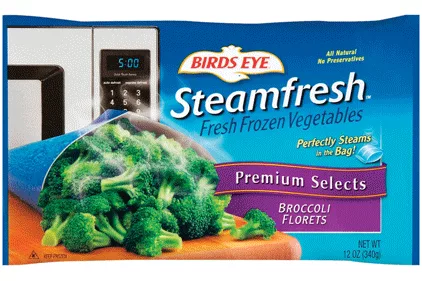
Are you curious about the convenience of steam-in-bag vegetables, but worried about their safety? You're not alone.
In today's fast-paced world, many of us are looking for quick and healthy meal options. Steam-in-bag vegetables promise a no-fuss solution, but are they truly safe for you and your family? Imagine the peace of mind you'll feel knowing exactly what you're putting on your plate.
We'll uncover the facts behind these popular products. Get ready to dive into the details and make informed choices for your health and well-being. Stick with us as we explore everything you need to know about steam-in-bag vegetables.

Credit: www.amazon.com
Safety Of Steam In Bag Vegetables
Steam in bag vegetables offer a quick and easy way to enjoy healthy greens. These products are pre-washed and sealed in special bags designed to cook the vegetables with steam. Safety is a top concern for many buyers. Understanding the safety aspects helps make better choices for your meals.
Common Concerns
People often worry about the freshness and cleanliness of steam in bag vegetables. Some think these veggies may lose nutrients or taste. Others fear the packaging might contain harmful substances. These concerns are natural but mostly addressed by strict food safety rules. Manufacturers follow guidelines to keep the vegetables safe and healthy.
Chemical Exposure Risks
The bags used for steam cooking are made from food-safe materials. They do not release harmful chemicals during heating. These plastics are tested for safety before use. Still, it is best to avoid overheating the bags or using damaged packages. Proper cooking times and temperatures reduce any risk of chemical exposure.
Bacterial Contamination
Steam in bag vegetables come pre-washed to lower bacteria risk. The sealed packaging prevents new bacteria from entering. Cooking in the bag with steam kills most bacteria present. Always check the package for damage before cooking. Store vegetables in the fridge and use them by the expiration date. These steps help prevent bacterial contamination and keep food safe.
Nutritional Value Comparison
Comparing the nutritional value of steam in bag vegetables to fresh ones helps understand their health benefits. Nutrients like vitamins and minerals can change during processing and packaging. Knowing these differences guides better food choices.
Fresh Vs Steam In Bag
Fresh vegetables often have the highest nutrient levels because they are unprocessed. They contain more vitamin C, folate, and antioxidants. Steam in bag vegetables are partially cooked by steam before packaging. This method preserves some nutrients better than boiling or frying.
Steam in bag vegetables retain water-soluble vitamins like vitamin C better than other cooking methods. The short cooking time reduces nutrient loss. However, some heat-sensitive nutrients may still decrease. Fresh vegetables have more fiber and enzymes, as cooking can soften fiber.
Effect Of Packaging On Nutrients
Packaging affects nutrient preservation in steam in bag vegetables. The bags are sealed to keep air out. This limits oxidation, which can destroy vitamins. The vacuum or modified atmosphere inside the bag slows down nutrient loss.
Light exposure and temperature during storage also impact nutrients. Steam in bag vegetables stored properly keep most nutrients for weeks. But long storage or poor conditions can reduce vitamin levels. Fresh vegetables lose nutrients faster after harvest without packaging protection.
Proper Storage And Handling
Proper storage and handling of steam-in-bag vegetables are key to keeping them safe and fresh. Even though these veggies come pre-cooked or partially cooked in sealed bags, they still need the right care once opened or after cooking. Neglecting storage and handling can lead to spoilage or foodborne illness, which is something you want to avoid.
Refrigeration Tips
Once you open the steam-in-bag vegetables, transfer any leftovers into an airtight container. Keeping them sealed helps prevent moisture loss and limits exposure to bacteria. Store them in the coldest part of your fridge, usually near the back, where the temperature is steady.
Don’t leave these veggies out at room temperature for more than two hours. If you plan to eat them later, cool them quickly and refrigerate promptly. This helps slow down bacterial growth and keeps your veggies tasting fresh.
Avoiding Cross-contamination
Cross-contamination can turn a healthy snack into a risk. Use clean utensils and cutting boards when handling steam-in-bag vegetables. Never place them on surfaces or plates that held raw meat or unwashed produce without cleaning first.
Wash your hands thoroughly before and after touching the veggies, especially if you’ve handled raw items. This simple habit can stop germs from spreading and protect your family’s health. Have you ever thought about how often you touch your face after prepping food? Being mindful here can make a big difference.
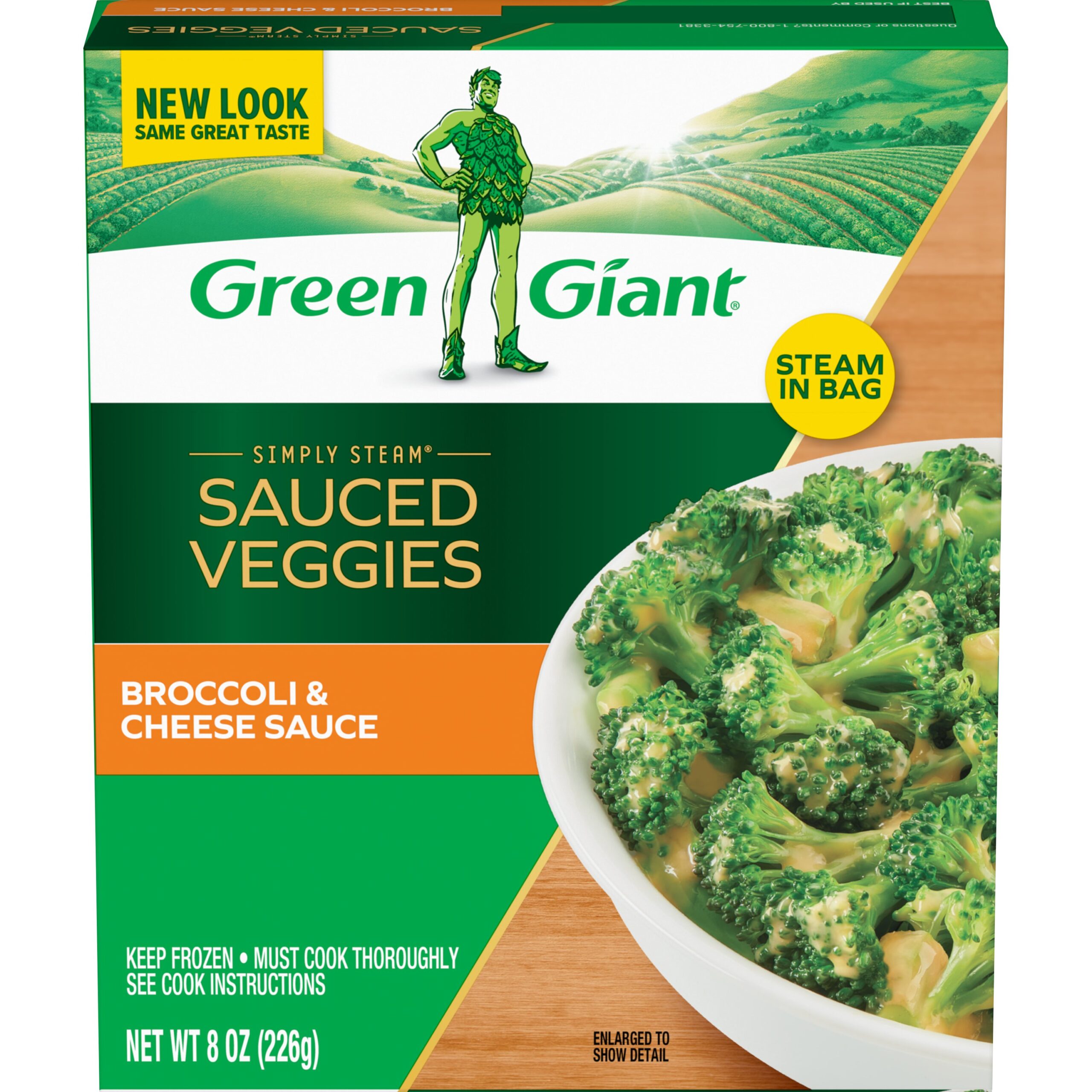
Credit: greengiant.com
Best Cooking Practices
Mastering the best cooking practices for steam-in-bag vegetables helps you enjoy their taste and nutrition safely. These vegetables come partially cooked and sealed to retain freshness and nutrients, but how you heat them matters. Proper cooking keeps the texture right and ensures any bacteria are eliminated.
Microwave Usage Tips
Microwaving steam-in-bag vegetables is quick and convenient, but you must follow the instructions on the package carefully. Always use a microwave-safe plate under the bag and avoid piercing it unless the instructions say so. This keeps steam trapped and cooks the vegetables evenly.
Set your microwave power level as recommended, usually medium-high, to prevent overcooking or undercooking. Stir the vegetables after microwaving if possible to distribute heat evenly. Have you noticed how some bags puff up more than others? That’s steam building pressure, signaling the veggies are cooking properly.
Alternative Cooking Methods
If you prefer not to use a microwave, you can steam the bag on the stovetop or boil it in water. Place the sealed bag in simmering water for the time suggested on the package. Make sure the water covers the bag but doesn’t overflow into it.
Steaming with a basket is another option: cut open the bag, place vegetables in the steamer, and cook until tender. This method gives you more control over texture and avoids sogginess. Which method fits your routine better — quick microwave or hands-on steaming?
Choosing Quality Products
Choosing quality steam-in-bag vegetables ensures safety and better taste. Quality products contain fewer additives and retain more nutrients. Proper selection can reduce exposure to pesticides and harmful chemicals. Always prioritize freshness and trusted brands for peace of mind.
Reading Labels
Labels reveal important information about the vegetables inside. Check for the harvest date or packaging date to ensure freshness. Look for any added preservatives or artificial ingredients. Ingredients should be simple and easy to understand. Nutritional facts help you compare products quickly. Avoid products with long lists of chemicals or fillers.
Organic And Non-gmo Options
Organic vegetables come from farms that avoid synthetic pesticides. Non-GMO options mean the vegetables are not genetically modified. Choosing these options can lower health risks and environmental impact. Labels like "USDA Organic" or "Non-GMO Project Verified" help identify these products. These choices often support sustainable farming practices. Expect a cleaner taste and fewer residues in these vegetables.
Expert Recommendations For Healthy Eating
Experts suggest simple guidelines for healthy eating with steam-in-bag vegetables. These guidelines help maximize nutrition and enjoy meals safely. Understanding how to include these vegetables in your diet is key.
Balanced Diet Incorporation
Steam-in-bag vegetables fit well into a balanced diet. They provide vitamins and minerals with minimal cooking time. Choose a mix of vegetables to cover different nutrient needs.
Pair these vegetables with proteins and whole grains. This creates meals that support energy and overall health. Avoid relying only on steam-in-bag vegetables; fresh options matter too.
Variety And Portion Control
Eating different vegetables prevents nutrient gaps. Rotate between leafy greens, root vegetables, and colorful options. Each offers unique health benefits.
Portion control helps avoid overeating. Follow package serving sizes or standard vegetable servings. This keeps calorie intake balanced and supports weight management.

Credit: greengiant.com
Frequently Asked Questions
Are Steam In Bag Vegetables Healthy To Eat?
Yes, steam in bag vegetables retain most nutrients and are healthy. They are minimally processed and often frozen soon after harvest, preserving vitamins and minerals. Steaming in the bag helps maintain texture and flavor without added fats.
Do Steam In Bag Vegetables Contain Harmful Chemicals?
No, steam in bag vegetables generally do not contain harmful chemicals. They are usually free from pesticides and preservatives due to rapid freezing and packaging. Always check labels for any additives or allergens.
Can Steam In Bag Vegetables Spoil Quickly?
Steam in bag vegetables have a longer shelf life when frozen. Once thawed, they should be consumed within a few days to avoid spoilage. Proper storage in the freezer ensures freshness and safety.
How To Safely Cook Steam In Bag Vegetables?
Simply microwave or boil the bag as per package instructions. Avoid overcooking to retain nutrients and texture. Steam in bag vegetables are designed for quick, safe preparation without needing extra oil or seasoning.
Conclusion
Steam in bag vegetables offer a quick and easy way to eat healthy. They keep most nutrients and taste fresh. You just need to heat them properly and store them well. Always check the package for any damage or expiration date.
These veggies can save time without losing much quality. Eating them can help you add more vegetables to your meals. So, steam in bag vegetables can be a safe and convenient choice for busy days. Simple, fast, and nutritious.