
Traveling can be thrilling, but the thought of losing your luggage is enough to put a damper on your adventure. Imagine you're at the baggage claim, eagerly waiting, and your suitcase is nowhere in sight.
It's a nightmare scenario, isn't it? This is where luggage labels come to the rescue. But what exactly should you put on these labels to ensure your bags make it to your destination safely? The answer might surprise you. In this guide, we're diving into the essentials of luggage labeling, so you can travel with peace of mind.
Stay with us, and you'll discover how a few simple details can make all the difference in keeping your belongings secure and your travel stress-free.
Choosing The Right Information
Choosing the right information for your luggage label is crucial to ensure your bag finds its way back to you if lost. You want to balance providing enough detail to help someone return your luggage while protecting your privacy. Think carefully about what to include so your label serves its purpose without exposing sensitive information.
Name And Contact Details
Your full name is essential on any luggage label. It helps airport staff and good samaritans identify the owner quickly. Adding a phone number is equally important, but consider using a mobile number you can answer easily during travel.
Some travelers prefer listing only a first name and last initial for privacy. However, this can slow down the return process. You might also add an email address as an alternative contact, but keep it simple and easy to read.
Address Considerations
Deciding whether to include your full home address on your luggage label is tricky. While it can help return your bag directly to your doorstep, it also reveals your private information to strangers. Many experts suggest listing only your city and state to protect privacy yet provide enough location context.
If you often travel internationally, consider using your hotel or accommodation address instead. This reduces risk and ensures your bag can reach you even if you move around during your trip. Ask yourself: Would you feel comfortable sharing your exact address with a stranger?
Emergency Contact Options
Adding an emergency contact can be a lifesaver if you are unreachable. Choose someone who knows your travel plans and can act on your behalf if needed. This might be a family member or close friend who can coordinate with airlines or authorities.
Make sure to include their name and phone number clearly on your label. You could also add a brief note like “In case of emergency, please contact...” to guide helpers. This small step can make a big difference in stressful situations.
Privacy And Security Tips
Protecting your personal information on luggage labels is important. Labels help identify your bag but can also expose sensitive details. Careful choices keep your data safe and make travel worry-free.
Avoiding Sensitive Information
Never put your full home address on a luggage label. It reveals where you live to strangers. Avoid details like passport numbers or credit card info. Use only the basics needed to find you.
Using Phone Numbers Wisely
Include a phone number where you can easily be reached. A mobile number is better than a home line. It allows quick contact if your bag is lost. Avoid numbers linked to your work or personal accounts.
Email Vs. Physical Address
Email can be a safer option than a full address. It lets others contact you without revealing where you live. Choose an email you check often and is simple. This keeps communication open but your location private.
Design And Material Choices
Choosing the right design and material for your luggage labels can make a big difference in their effectiveness and longevity. Your labels should not only look good but also withstand the rigors of travel. Think about what materials will survive rough handling, and how the design can help your luggage stand out while keeping your information clear.
Durable Label Materials
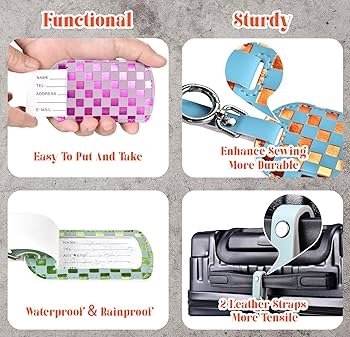
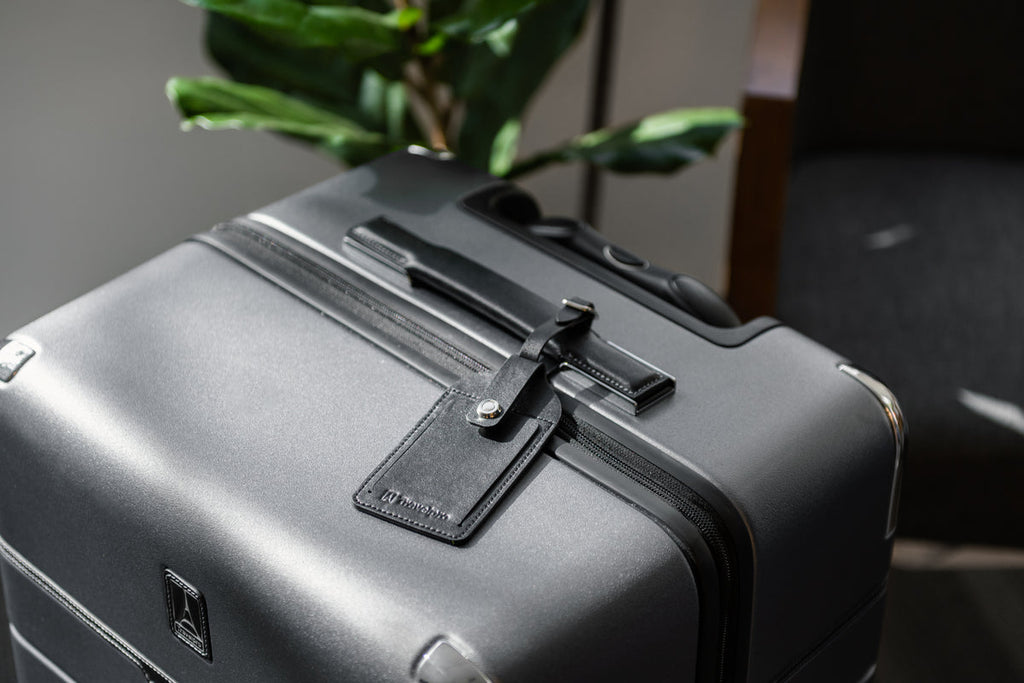
Labels made from sturdy materials like leather, thick plastic, or metal tend to last longer. These materials resist tearing and bending, which is crucial when bags are tossed around. I once used a simple paper label on a backpack, and it was shredded by the second airport transfer—don’t make the same mistake.
Consider materials that can flex without breaking. Silicone and rubber are also good choices if you want something that grips your bag well and won’t fall off easily. What kind of wear and tear do you expect your label to face?
Clear And Legible Fonts
Your contact details need to be easy to read at a glance. Choose fonts that are simple and bold, avoiding fancy scripts that can be hard to decipher. Fonts like Arial, Helvetica, or Calibri work well because they keep your information sharp and obvious.
Keep the text size large enough to be seen from a distance but balanced so it fits neatly on the label. Using contrasting colors between text and background boosts visibility, especially in dim lighting. Have you ever struggled to read someone’s label because the font was too fancy or small?
Waterproofing Labels
Travel often exposes your luggage to rain, spills, and condensation. Waterproof labels protect your information from smudging or washing away. You can find labels coated with laminate or made from waterproof vinyl that keeps your details safe.
If you’re making your own labels, adding a clear adhesive film over printed paper can be a simple fix. This extra layer stops moisture from ruining your label and keeps it looking new through every trip. How important is it for you to have a label that stays intact no matter the weather?
Credit: travelpro.com
Additional Label Features
Adding extra features to your luggage labels improves travel ease and security. These features help identify your bags quickly and provide useful travel information. They also add a personal touch to your luggage, making it stand out.
Using Qr Codes
QR codes on luggage labels store digital information. Scanning the code shows your contact details safely. This reduces the chance of losing your bag. It also speeds up the process at airports and hotels. QR codes are easy to create and update with new information.
Including Itinerary Details
Itinerary details on labels show your flight, hotel, or tour info. This helps airport staff and travel agents find your trip details fast. It also helps if your luggage gets misplaced. Include dates, destinations, and booking numbers in a clear format.
Personalizing For Easy Identification
Personalized labels make spotting your bag simple. Use bright colors, unique fonts, or patterns. Add your name or initials for quick recognition. Personal touches prevent mix-ups with other travelers’ luggage. This saves time and reduces travel stress.
Placement And Attachment
Choosing the right place and way to attach luggage labels helps keep your bag safe and easy to identify. Proper placement ensures your contact details stay visible and secure throughout your journey. The attachment method affects how well the label holds up during travel. Both matter for quick identification and preventing loss.
Secure Attachment Methods
Using strong, reliable attachments keeps labels from falling off. Durable straps made of leather or nylon are common choices. Plastic loops with locking mechanisms also work well. Some labels come with metal rivets that fasten tightly to handles. Avoid tape or glue, as these can peel or weaken over time.
Best Spots On Luggage
Attach labels in places that are easy to find but safe from damage. The handle is the most popular spot for easy access. Side handles also work well and stay visible. Avoid placing labels on wheels or bottom corners where they can scrape or get dirty. Front or top panels provide a flat surface for labels to stay intact.
Visibility And Accessibility
Labels must be clearly visible to airport staff or anyone helping with your bag. Place the label where it won’t be covered by straps or pockets. Keep it away from zippers or folds that can hide information. Make sure the text faces outward and can be read without moving the luggage. This speeds up identification and reduces travel stress.

Credit: www.amazon.ca
Maintaining And Updating Labels
Maintaining and updating luggage labels helps keep your travel information accurate and easy to find. Over time, details might change or labels may wear out. Keeping them fresh avoids confusion and lost baggage. Regular care ensures your tags work well every trip.
Regular Information Checks
Check your luggage labels before each trip. Confirm your phone number, email, and address are correct. Update any details that have changed. This simple step helps others contact you quickly if needed. It also prevents delays in getting your bag back.
Replacing Worn Labels
Labels can fade or tear from frequent handling. Replace worn labels to keep information clear and readable. Use durable materials like waterproof paper or plastic tags. Fresh labels last longer and look neat on your luggage. Clear labels make a better impression at airports.
Adapting To Travel Changes
Travel plans and personal details can change often. Update labels to match new destinations or contact info. Add emergency contacts or special instructions if needed. Adjusting your labels helps meet new travel rules or airline requirements. Stay ready for every journey with current labels.

Credit: tulsiresin.com
Frequently Asked Questions
What Information Should I Include On Luggage Labels?
Include your full name, phone number, and email address. Add your home address if comfortable. This helps in quick identification and return if lost.
Is It Safe To Put My Home Address On Labels?
It can pose privacy risks. Instead, use your work or hotel address. Prioritize safety while ensuring contact details are sufficient.
Can I Add Emergency Contact Details On Luggage Labels?
Yes, adding an emergency contact is helpful. It provides an alternative way to reach someone if you are unreachable during travel.
Should I Include My Destination Address On Luggage Labels?
Including your destination address is useful for connecting flights. It helps airlines redirect your luggage in case of delays or rerouting.
Conclusion
Clear and simple luggage labels help your bags find you fast. Include your name, phone number, and email for easy contact. Avoid sharing your full address to stay safe. A bright or unique label makes your luggage easy to spot.
Double-check your details before every trip. A good label saves time and worry at airports. Keep your travels smooth by labeling your bags right. Safe journeys start with smart packing choices.