
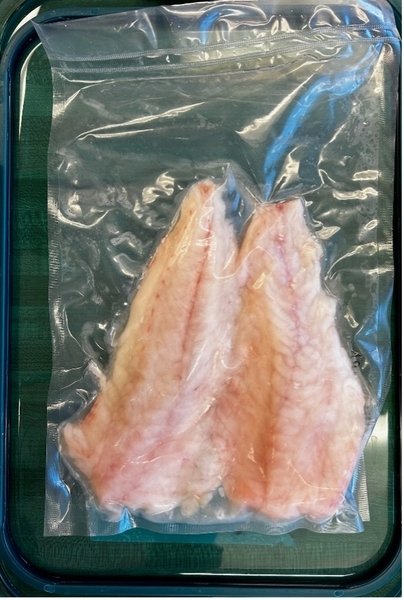
Have you ever found yourself staring at that vacuum-sealed bag of salmon in your freezer, wondering how to thaw it safely and efficiently? You’re not alone.
Many people are unsure about the best practices for defrosting salmon, especially when it comes in those airtight packages. This uncertainty can lead to hesitation, and before you know it, your dinner plans are on hold. But fear not! We're diving into the essentials of thawing salmon in vacuum-sealed bags.
Discover the methods that not only preserve the taste and texture of your fish but also ensure it’s safe to eat. If you’re eager to enjoy a delicious salmon meal without the stress, keep reading. We’re about to unravel the mystery of thawing salmon the right way, saving you time and ensuring a perfect dish every time.
Benefits Of Vacuum Sealed Salmon
Vacuum sealing salmon offers several key benefits that can make a real difference in how you store and enjoy this delicious fish. By removing air and sealing the salmon tightly, you protect its quality in ways traditional packaging can’t match. Let’s look at how vacuum sealing works in your favor.
Preserving Freshness
Vacuum sealed salmon stays fresh much longer because air is removed, which slows down the oxidation process. This means the fish keeps its color, texture, and flavor better than salmon stored in regular plastic wrap or containers. Have you noticed how quickly salmon can lose its vibrant pink color? Vacuum sealing helps prevent that.
It’s especially useful if you buy salmon in bulk and want to keep portions fresh over time. You can thaw only what you need without worrying about the rest going bad quickly.
Preventing Freezer Burn
Freezer burn happens when moisture escapes from the fish and ice crystals form on the surface, ruining texture and taste. Vacuum sealing creates a tight barrier that stops air and moisture from reaching the salmon. This means no more dry, tough spots on your fish after freezing.
Think about the last time you found freezer burn on salmon you’d frozen in a regular bag. Vacuum sealing can save you from that disappointment, keeping your fish juicy and tender after thawing.
Extending Shelf Life
Vacuum sealed salmon can last significantly longer in both the fridge and freezer. While fresh salmon typically lasts a couple of days in the fridge, vacuum sealed salmon can stay good for up to two weeks. In the freezer, it can last several months without losing quality.
This extended shelf life gives you flexibility in meal planning and reduces food waste. You get more time to enjoy high-quality salmon without rushing to cook it.

Credit: wdfw.medium.com
Thawing Methods For Vacuum Sealed Salmon
Thawing vacuum sealed salmon correctly keeps it fresh and safe to eat. Different thawing methods fit different schedules and needs. Each method has its own benefits and precautions. Choose the one that works best for your time and safety.
Refrigerator Thawing
Place the vacuum sealed salmon in the fridge. Let it thaw slowly for 12 to 24 hours. This method keeps the fish cold and safe. It keeps the texture and taste at their best. Plan ahead, as this takes the longest time.
Cold Water Thawing
Submerge the sealed salmon in cold water. Change the water every 30 minutes to keep it cold. This method thaws fish faster, usually in 1 to 2 hours. It is safe as long as the bag stays sealed. Avoid warm or hot water, which can spoil the fish.
Microwave Thawing Risks
Microwaving can thaw salmon quickly but unevenly. Some parts may cook while others stay frozen. This can ruin the texture and taste. It may also cause bacteria growth in warm spots. Use microwave thawing only if you will cook salmon immediately.
Safety Tips During Thawing
Thawing salmon in a vacuum-sealed bag can keep your fish fresh, but it also requires careful attention to safety. Improper thawing can lead to bacterial growth and spoilage, which affects both taste and health. Knowing how to handle the process right ensures your salmon stays delicious and safe to eat.
Avoiding Bacterial Growth
Bacteria thrive in the temperature danger zone between 40°F and 140°F (4°C to 60°C). Keeping salmon out of this range while thawing is crucial. Never leave vacuum-sealed salmon to thaw on the counter, as it can quickly reach unsafe temperatures.
Instead, thaw salmon slowly in the refrigerator. This method keeps the fish cold and limits bacterial growth. If you’re short on time, place the sealed bag in cold water, changing the water every 30 minutes to keep it cool.
Maintaining Proper Temperature
The refrigerator is your best friend for thawing salmon safely. Keep the temperature at or below 40°F (4°C). This slows bacterial activity and preserves the fish’s texture and flavor.
If you use cold water for thawing, make sure it’s below 70°F (21°C). Warm water can cause the outer layer to enter the danger zone while the inside remains frozen. This uneven thawing can increase the risk of contamination.
Handling After Thawing
Once thawed, use your salmon within 1-2 days for the best quality and safety. Keep it refrigerated until you’re ready to cook. Avoid refreezing thawed salmon unless it’s been cooked first.
Always handle the fish with clean hands and utensils. Cross-contamination can happen easily, especially with raw seafood. Have you ever noticed a strong fishy smell after thawing? That’s often a sign the salmon isn’t safe to eat anymore.

Credit: fishingbooker.com
Common Mistakes To Avoid
Thawing salmon in a vacuum-sealed bag is convenient but requires care. Many people make simple mistakes that affect taste and safety. Avoiding these errors helps keep salmon fresh and delicious.
Thawing At Room Temperature
Never leave vacuum-sealed salmon out at room temperature. Bacteria grow quickly between 40°F and 140°F. This can cause food poisoning and spoil the fish. Always thaw salmon in the fridge or cold water.
Re-freezing Thawed Salmon
Do not refreeze salmon after it has fully thawed. Refreezing reduces quality and texture. It also increases the risk of bacterial growth. Use thawed salmon within a day for best results.
Using Damaged Vacuum Bags
Check the vacuum bag for holes or tears before thawing. Damaged bags let air in, causing freezer burn and spoilage. Always use intact vacuum-sealed bags to keep salmon fresh.
Cooking Salmon After Thawing
Once your salmon has thawed in its vacuum-sealed bag, it’s time to focus on cooking it perfectly. Proper cooking not only ensures food safety but also brings out the best texture and flavor. Handling thawed salmon with care can make a big difference in your meal’s outcome.
Ideal Cooking Techniques
Salmon cooks well with various methods, but some preserve its moisture better than others. Pan-searing gives a crispy outside while keeping the inside tender. Baking at a moderate temperature lets you cook evenly without drying out the fish.
Grilling adds a smoky flavor but watch the heat closely to avoid overcooking. Poaching in broth or water keeps the fish moist and delicate. Think about your available tools and the texture you enjoy most when choosing how to cook your salmon.
Checking For Freshness
Even after thawing, you need to confirm the salmon is fresh enough to cook. Look for a mild, ocean-like smell—not sour or fishy odors. The flesh should be firm and spring back slightly when pressed.
Discoloration or sliminess indicates the salmon has gone bad. You can trust your senses here; if anything feels off, it’s better to be safe and avoid cooking it. Have you ever cooked fish that didn’t smell right? It’s a lesson in why this check matters.
Flavor Enhancements
Salmon’s natural flavor is rich, but small additions can elevate your dish. A squeeze of fresh lemon brightens the taste and cuts through any richness. Herbs like dill, parsley, or thyme add a fresh, aromatic touch.
Simple seasonings such as salt, pepper, and garlic powder enhance the fish without overpowering it. Consider marinating your salmon briefly in soy sauce or honey mustard for a flavor twist. What flavor combos excite your palate when cooking salmon?
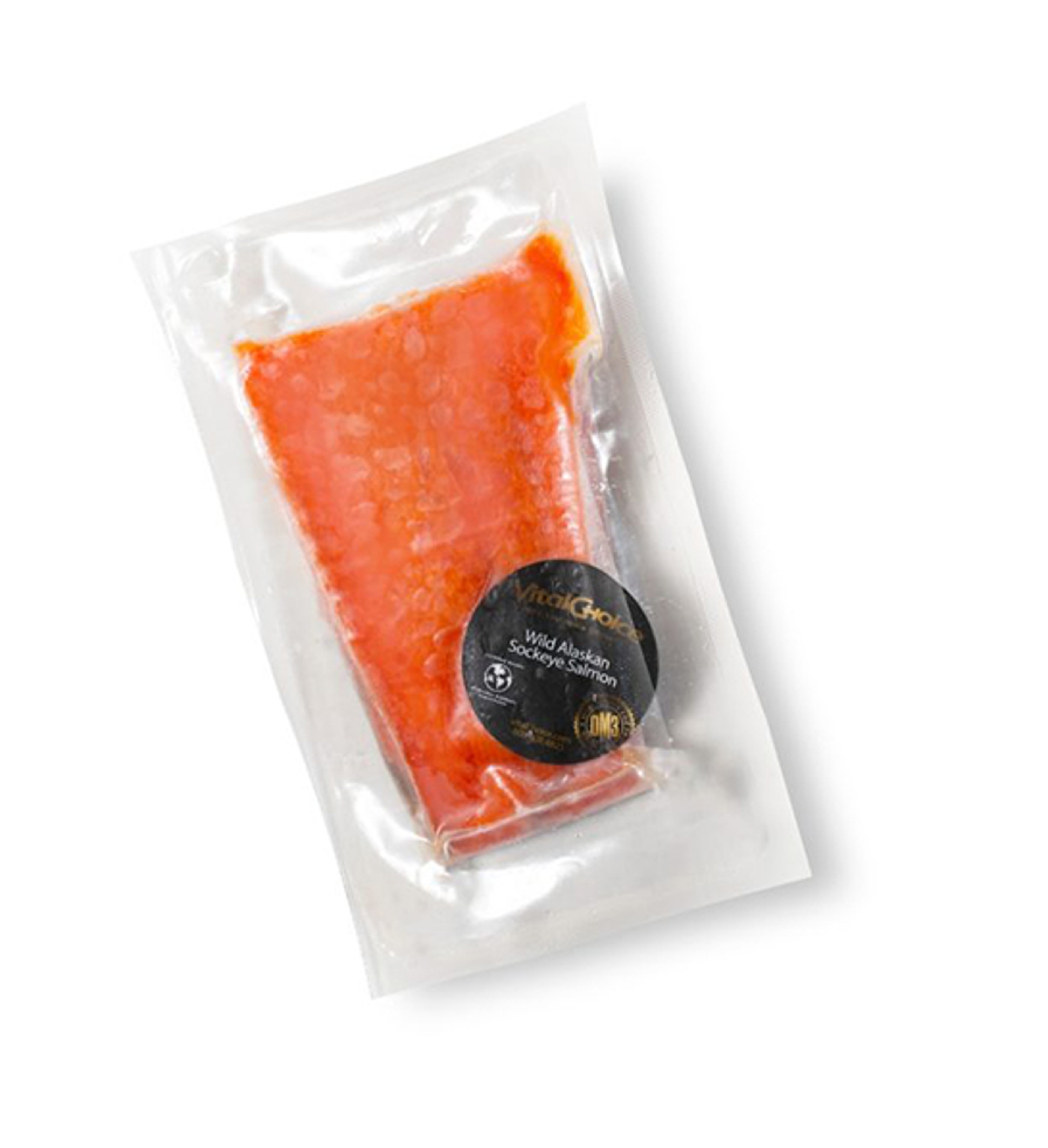
Credit: www.vitalchoice.com
Frequently Asked Questions
Can You Safely Thaw Salmon In Vacuum Sealed Bags?
Yes, you can safely thaw salmon in vacuum sealed bags. Keep the sealed bag submerged in cold water. Change water every 30 minutes for even thawing. This method prevents water contamination and preserves salmon’s texture and flavor.
How Long Does It Take To Thaw Vacuum Sealed Salmon?
Thawing vacuum sealed salmon in cold water takes about 1 to 2 hours. The time depends on the fish’s size and thickness. Avoid using warm water to prevent bacterial growth. For best results, thaw in the refrigerator overnight if possible.
Is Microwave Thawing Safe For Vacuum Sealed Salmon?
Microwave thawing is not recommended for vacuum sealed salmon. It can cause uneven thawing and partially cook the fish. This affects texture and taste. Instead, use cold water or refrigerator thawing for better quality and safety.
Can Thawed Vacuum Sealed Salmon Be Refrozen?
Refreezing thawed vacuum sealed salmon is generally not advised. It may affect texture and increase bacterial risk. If thawed in the refrigerator and not left out for long, refreezing is safer but might reduce quality.
Conclusion
Thawing salmon in a vacuum sealed bag is safe and easy. Keep the bag sealed to avoid water contact. Thaw in the fridge for best results. This method keeps the fish fresh and tasty. Avoid thawing at room temperature to prevent bacteria growth.
Always cook salmon right after thawing. This way, you enjoy its best flavor and texture. Simple steps make thawing quick and mess-free. Try this method for your next salmon meal.