
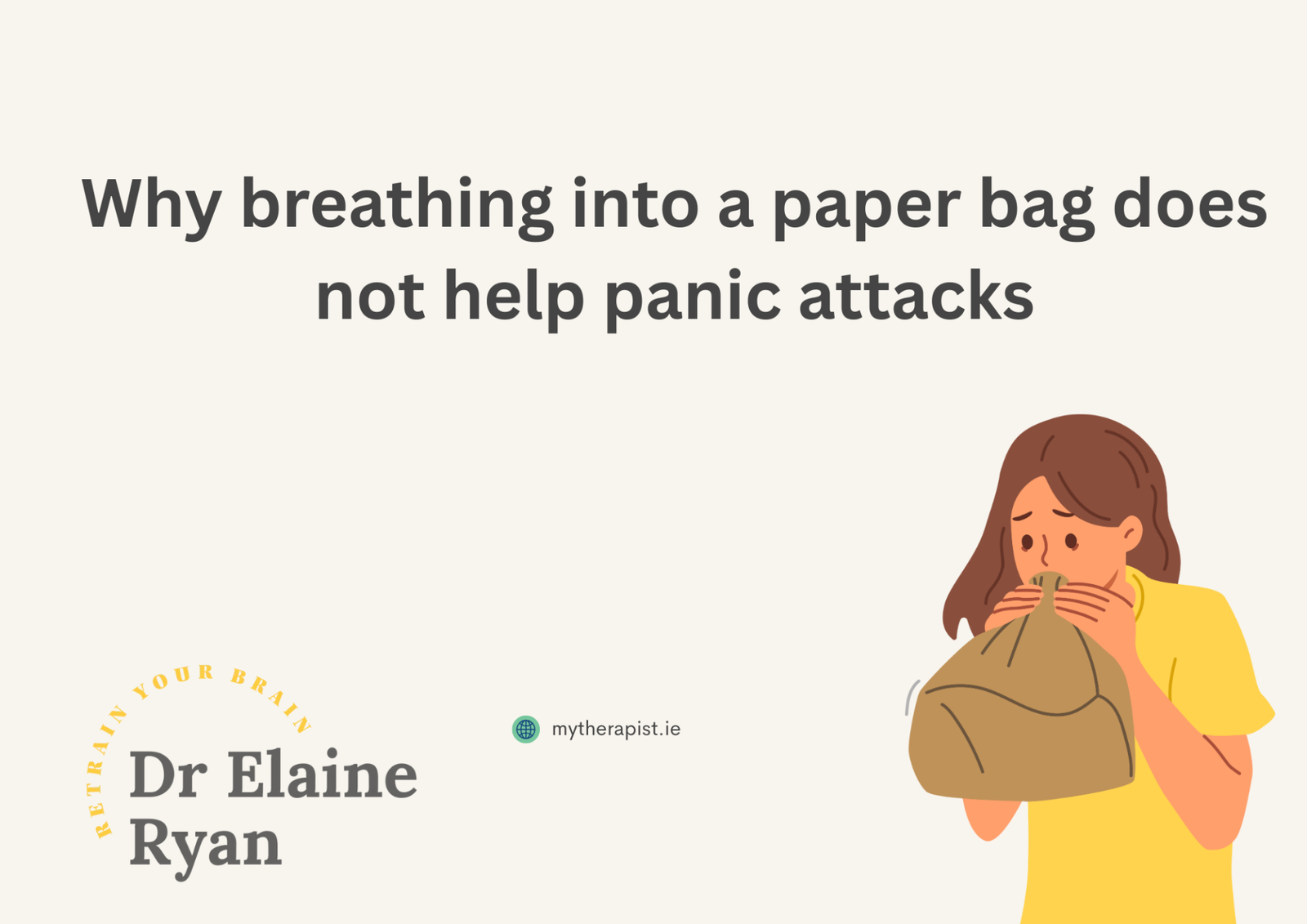
Feeling dizzy or anxious can be overwhelming, and you might have heard of the quick fix: breathing into a paper bag. It sounds simple, but is it safe for you?
This common technique has sparked curiosity, and perhaps even concern. You wonder if it truly helps or if it could actually be harmful. Before you reach for that paper bag, it’s crucial to understand how this method works and whether it’s right for you.
Stay with us as we unravel the truth behind this intriguing practice. Your health and peace of mind are worth it.
Why People Use Paper Bags For Breathing
Breathing into a paper bag is a practice many people have heard of, especially during moments of panic or anxiety. But why do people actually use paper bags for breathing? Understanding the reasons behind this can help you decide if this method is right for you in stressful situations.
Origins Of The Practice
The idea of breathing into a paper bag dates back several decades, originally used to help people experiencing hyperventilation. When someone breathes too quickly, they lose carbon dioxide from their body, which can cause dizziness or lightheadedness.
By breathing into a paper bag, the person re-inhales carbon dioxide, which was thought to restore balance quickly. This simple technique became popular as an easy, at-home remedy for panic attacks and anxiety-induced hyperventilation.
Common Situations For Use
People often reach for a paper bag during moments of sudden panic or anxiety. When your breathing speeds up and you feel faint, the bag is supposed to help slow your breath and calm your nerves.
Besides panic attacks, some use it during episodes of dizziness or fainting spells caused by rapid breathing. However, it’s important to recognize when this method is appropriate—breathing into a paper bag might not be safe for everyone.
- During a panic or anxiety attack
- Experiencing hyperventilation from stress or exercise
- Feeling dizzy due to rapid breathing
Have you ever tried breathing into a paper bag? Did it help you calm down, or did you wonder if it was actually safe? Knowing why people use this method helps you better decide if it’s a useful tool or if you should look for other ways to manage your breathing.

Credit: www.healthline.com
How Breathing Into A Paper Bag Works
Breathing into a paper bag is a common advice for people feeling lightheaded or anxious. The practice aims to help control breathing and calm the nervous system. Understanding how this simple action works sheds light on its effects and safety.
The Science Behind It
When a person breathes quickly or deeply, they may exhale too much carbon dioxide (CO2). This loss can cause dizziness or tingling. Breathing into a paper bag allows rebreathing of CO2, which can balance its levels in the blood.
The bag traps exhaled air, which contains more CO2 than fresh air. Inhaling this air raises CO2 levels back to normal. This process may help slow breathing and reduce symptoms of hyperventilation.
Effects On Carbon Dioxide Levels
Carbon dioxide plays a vital role in the body. It helps regulate the pH of blood and supports proper oxygen release to tissues. Low CO2 from rapid breathing can cause symptoms like lightheadedness or chest tightness.
Breathing into a paper bag increases the concentration of CO2 in the inhaled air. This can restore CO2 balance and ease symptoms caused by its low levels. The process works best for mild cases of hyperventilation.
Improper use or overuse may lead to excess CO2, causing headaches or confusion. It is important to understand when this technique is appropriate and when to seek medical help.
Risks Associated With Paper Bag Breathing
Breathing into a paper bag is a well-known home remedy for calming anxiety or hyperventilation. However, this practice comes with certain risks that many don’t realize. Understanding these dangers helps you decide when it’s safe to use and when it might cause more harm than good.
When It Can Be Harmful
Breathing into a paper bag is not safe if you are experiencing chest pain, shortness of breath, or any heart-related symptoms. These signs could indicate a serious medical condition like a heart attack or asthma attack, which require immediate medical attention.
If you have chronic respiratory conditions such as asthma or COPD, rebreathing your own exhaled air can worsen your symptoms. The increased carbon dioxide levels in the bag can make breathing more difficult rather than easier.
Another risky situation is when hyperventilation is caused by low oxygen levels rather than anxiety. In these cases, breathing into a paper bag can further reduce oxygen intake, leading to dizziness or fainting.
Potential Health Complications
Using a paper bag incorrectly can cause a buildup of carbon dioxide in your bloodstream, a condition called hypercapnia. This can lead to headaches, confusion, and in severe cases, loss of consciousness.
Repeated or prolonged use of this technique may also cause your blood oxygen levels to drop, which stresses your organs and can worsen underlying health issues.
Some people might feel lightheaded or experience panic attacks triggered by the sensation of restricted airflow. This can create a vicious cycle of anxiety rather than relief.
Have you ever tried this method and felt worse instead of better? Listening to your body and knowing these risks can guide you to safer ways of managing breathing difficulties.

Credit: www.healthline.com
Conditions That Mimic Panic Attacks
Conditions that mimic panic attacks can confuse anyone experiencing sudden distress. You might feel symptoms like chest tightness, dizziness, or a racing heart and assume it’s just a panic attack. However, several medical issues share these signs and need different treatments.
Hyperventilation Vs. Other Disorders
Hyperventilation is often linked to panic attacks because it causes rapid breathing and lightheadedness. But other disorders, such as asthma, heart problems, or even seizures, can produce similar symptoms. Recognizing the difference is key—hyperventilation usually involves breathing out too much carbon dioxide, while other conditions might not.
For example, asthma attacks cause wheezing and shortness of breath, which you might mistake for panic-induced hyperventilation. If you rely on paper bag breathing without knowing the root cause, you could miss critical care. Have you ever felt breathless and tried to calm yourself only to feel worse? That might be a sign your symptoms need professional evaluation.
Why Paper Bag Breathing May Worsen Some Conditions
Breathing into a paper bag is a common suggestion for hyperventilation, but it’s not always safe. If your symptoms come from heart or lung problems, adding carbon dioxide by rebreathing exhaled air can stress your body further. This can lead to dangerous drops in oxygen levels.
People with undiagnosed asthma or heart issues might worsen their condition by using this method. Instead of relying on a paper bag, focus on slow, controlled breathing or seek medical advice immediately. Could this simple act of breathing into a bag do more harm than good in your situation?
Safe Alternatives To Paper Bag Breathing
Breathing into a paper bag is an old remedy for anxiety and hyperventilation. Yet, it may cause harm in some cases. Safer ways exist to calm your breath and mind. These alternatives help you regain control without risks. They suit many situations and are easy to learn.
Breathing Techniques To Try
- Deep belly breathing: Breathe slowly through your nose. Let your stomach rise. Exhale gently through your mouth.
- Box breathing: Inhale for 4 seconds, hold for 4 seconds, exhale for 4 seconds, hold for 4 seconds. Repeat.
- 4-7-8 breathing: Breathe in for 4 seconds. Hold for 7 seconds. Exhale slowly for 8 seconds.
- Pursed-lip breathing: Inhale through your nose. Exhale through pursed lips like blowing out a candle.
These methods increase oxygen and lower stress. They are safe and effective. Practice them regularly for best results.
When To Seek Medical Help
Call a doctor if you have chest pain or fainting. Seek help if breathing stays hard or fast. Get help if you feel confused or very weak. Emergency care is needed for severe symptoms.

Credit: www.healthline.com
Expert Opinions On Paper Bag Breathing
Experts have debated the safety of breathing into a paper bag for many years. Opinions vary based on the context and the person’s health condition. Understanding these views helps clarify when this practice is safe or risky.
Medical Community Views
Many doctors say paper bag breathing is only helpful for some cases of hyperventilation. It can help balance carbon dioxide levels in the blood during mild panic attacks. But experts warn against using it for chest pain or serious breathing problems.
Doctors often discourage this method for people with heart or lung diseases. It may cause a lack of oxygen, making symptoms worse. Medical professionals stress that people should seek advice before trying paper bag breathing.
Guidelines From Health Organizations
Health organizations like the American Lung Association advise caution. They do not recommend paper bag breathing as a first response for breathing difficulties. Instead, they suggest calming techniques and professional help.
These groups emphasize that this method is not safe for everyone. They highlight the risk of lowering oxygen levels too much. Official guidelines often recommend consulting a healthcare provider for proper treatment.
Frequently Asked Questions
Is Breathing Into A Paper Bag Safe During Panic Attacks?
Breathing into a paper bag can help reduce hyperventilation during panic attacks. However, it should only be used briefly and with caution. Avoid it if you have heart or lung conditions. Always consult a healthcare professional before trying this method.
Can Paper Bag Breathing Cause Low Oxygen Levels?
Yes, prolonged breathing into a paper bag may lower oxygen levels. It traps exhaled carbon dioxide, which can lead to dizziness or fainting. Use this technique only for short periods and only if recommended by a medical expert.
When Should You Avoid Breathing Into A Paper Bag?
Avoid paper bag breathing if you have asthma, heart disease, or lung problems. It can worsen symptoms by limiting oxygen intake. Seek medical advice before using this method for respiratory or anxiety issues.
Does Breathing Into A Paper Bag Help Reduce Anxiety?
Breathing into a paper bag can sometimes calm anxiety by regulating breathing. It helps restore normal carbon dioxide levels during rapid breathing. However, it is not a cure and should be used under guidance.
Conclusion
Breathing into a paper bag can help in some cases, like mild hyperventilation. It is not safe for everyone, especially people with heart or lung problems. Using this method without advice can cause harm. Always seek medical advice if you feel unwell.
Simple breathing exercises often work better and are safer. Stay calm and breathe slowly. Your health matters most.