

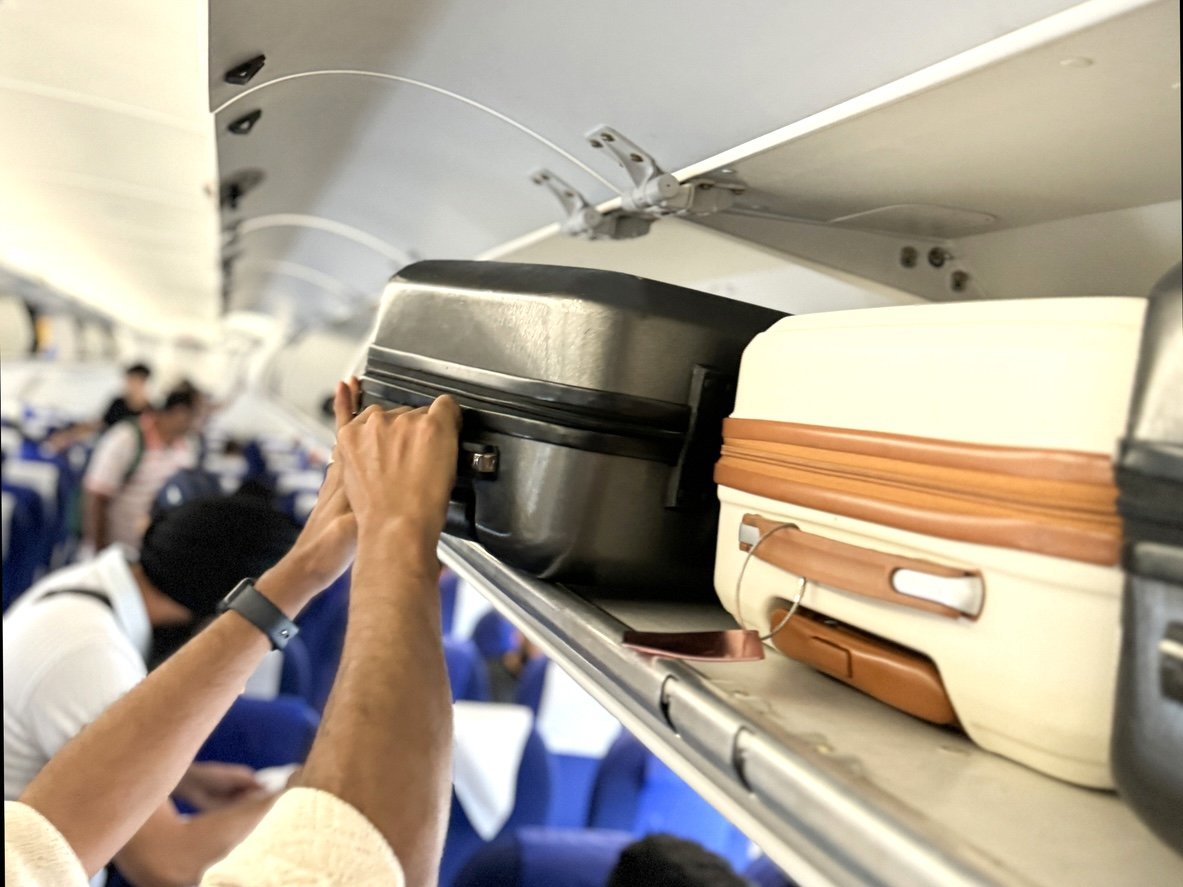
Struggling to fit your carry-on in the overhead bin can be a frustrating start to any flight. You’re not alone in this travel dilemma, but there’s a way to make it easier.
Imagine smoothly stowing away your bag while others around you are still wrestling with theirs. Wouldn't that be a satisfying feeling? In this guide, we’ll reveal the simple steps to ensure your carry-on fits perfectly every time. You'll gain practical tips and insider secrets that seasoned travelers swear by.
Ready to make your next flight a breeze? Let’s dive in and transform your travel experience.
Choosing The Right Carry-on
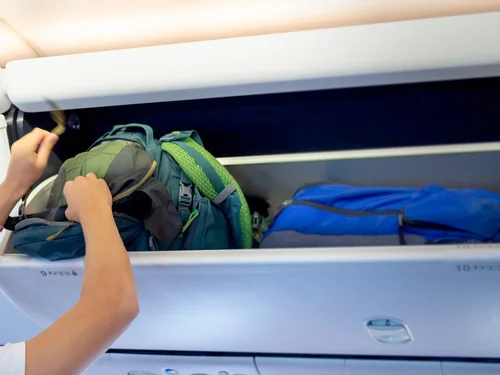
Choosing the right carry-on can make the difference between a smooth boarding experience and a stressful scramble to fit your bag in the overhead bin. Your carry-on isn’t just a container for your belongings; it’s a travel companion that needs to meet airline rules and your personal travel style. Knowing what to look for helps you avoid last-minute gate check fees and keeps your essentials close at hand.
Size And Weight Limits
Every airline sets its own size and weight restrictions for carry-ons. You might think a bag fits in the overhead bin just because it looks small, but airlines measure dimensions strictly—usually around 22 x 14 x 9 inches.
Have you ever struggled to shove a carry-on that was slightly too big? It’s frustrating, and it can delay boarding. Check your airline’s rules before you buy. Also, weigh your bag loaded with typical items. Staying under the limit saves you from unexpected fees and hassle at the gate.
Durability And Design
Your carry-on will face a lot of wear and tear. Rough handling by baggage staff and crowded overhead bins can damage fragile bags. Look for hard-shell cases or high-quality fabric with reinforced corners.
Consider the handle and wheels too. I once traveled with a bag that had flimsy wheels, and dragging it through the airport was a nightmare. Pick a design that rolls smoothly and feels sturdy. This choice makes navigating busy terminals easier and protects your belongings.
Organizational Features
How often do you dig through your bag to find your passport or headphones? Organizational pockets and compartments keep things tidy and accessible.
Look for features like separate laptop sleeves, quick-access pockets for boarding passes, and compression straps to keep clothes neat. Good organization saves time and reduces stress, especially during security checks. What small convenience could improve your travel experience?
Preparing Your Carry-on For Storage
Getting your carry-on ready for the overhead bin is more than just tossing your bag up there. It’s about making sure your bag fits easily, stays secure, and doesn’t become a hassle for you or other passengers. Preparing your carry-on thoughtfully can save you time and stress at the gate and on the plane.
Packing Smartly
Start by choosing the right bag size that fits airline requirements and the overhead bin space. Avoid overstuffing your bag; a slightly lighter, well-packed bag slides in easier. Organize your items so frequently used things are on top or in external pockets for quick access during the flight.
Think about how you pack—rolling clothes instead of folding can save space and reduce wrinkles. Use packing cubes or small pouches to group items like electronics, chargers, and toiletries. This keeps your bag tidy and helps you find what you need without unpacking everything.
Securing Loose Items
Loose items inside your carry-on can shift and cause imbalance or damage. Make sure all small items are zipped inside pouches or compartments. If you carry liquids, double-bag them in resealable plastic bags to prevent spills that could ruin electronics or papers.
Remember to secure any external attachments like straps or tags so they don’t get caught when placing the bag in the bin. Have you ever struggled with a loose zipper or a dangling strap while trying to store your bag? Taking a minute to secure these can make a big difference.
Balancing Weight Distribution
A balanced bag is easier to lift and stow. Place heavier items at the bottom near the wheels if your bag has them. This helps keep the bag stable when you carry or lift it into the bin.
Distribute weight evenly side-to-side to avoid a lopsided bag that might tip or slide once stored. If your bag feels heavy on one side, rearrange items to achieve better balance. How often do you stop to feel how your bag carries before heading to the gate? This quick check can prevent awkward moments during boarding.
Mastering Overhead Bin Placement
Placing your carry-on bag in the overhead bin can be tricky. Proper placement keeps your items safe and saves space for others. Understanding the best way to arrange your bag helps avoid damage and delays. This section covers key tips for fitting your carry-on in the overhead bin with ease.
Positioning For Stability
Place your carry-on flat on its largest side. This lowers the chance of it tipping over during the flight. Make sure the wheels or handles face inward to avoid sticking out. Push the bag gently but firmly until it stops. Avoid forcing it, which could damage your bag or others nearby.
Utilizing Vertical Space
Stand your bag upright if the bin height allows. This saves horizontal space for other passengers’ bags. Use the bag’s shape to fit it snugly against the bin’s walls. Keep smaller items like purses or backpacks on top or beside your carry-on. This maximizes the overhead bin’s capacity without overcrowding.
Stacking Multiple Bags
Place heavier bags on the bottom for better balance. Lighter bags go on top or in gaps around larger bags. Align bags by size to avoid shifting during the flight. Avoid stacking too high to prevent bags from falling out when the bin opens. Leave some space for airflow and easy access to your items.
Tips For Quick Access And Retrieval
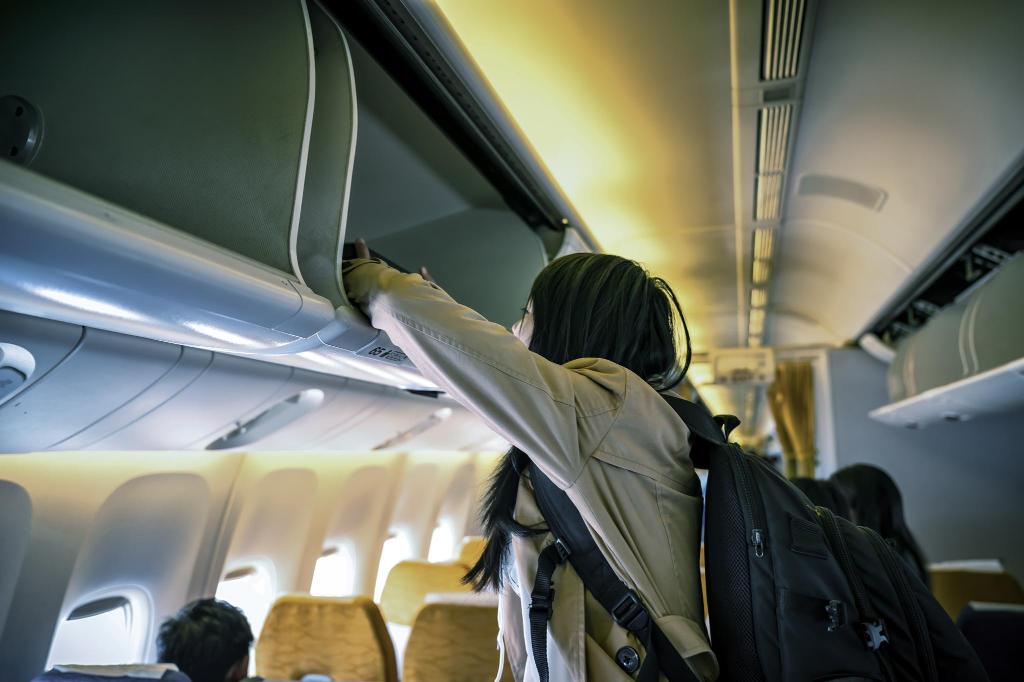
Having quick access to your carry-on in the overhead bin can save you time and stress during your flight. Knowing how to organize your bag and mark it clearly makes retrieval smooth, especially when the bin is crowded. Let’s look at practical tips to help you grab your bag easily without holding up the aisle or digging through other luggage.
Placing Essentials On Top
Put items you’ll need during the flight right on top of your carry-on or in the external pockets. Things like your headphones, book, or medication should be within easy reach. This way, you don’t have to open the entire bag or pull it out just to get something small.
Think about what you’ll want first after boarding. Placing these essentials on top saves you from fumbling around and lets you settle in faster.
Marking Your Bag
Make your carry-on stand out with a bright tag, ribbon, or sticker. A unique marker helps you spot your bag instantly, especially when the overhead bins are full of similar-looking luggage. I once missed my flight connection because I spent too long searching for my plain black bag—don’t let that happen to you.
If you travel often, a personalized tag with your contact info also helps if your bag gets misplaced. It’s a small step that can save big headaches.
Avoiding Common Mistakes
- Don’t overload your carry-on so it’s too heavy or bulky to lift into the bin quickly.
- Avoid stuffing your bag so tightly that you struggle to open it mid-flight.
- Resist placing fragile items on the bottom where they might get crushed when you put your bag away.
Have you ever tried pulling a jam-packed bag out of the overhead bin while other passengers wait? It’s frustrating for you and them. Keeping your bag manageable and organized avoids this scenario and keeps boarding smooth for everyone.
Handling Overhead Bin Challenges
Storing a carry-on in the overhead bin can be tricky. Space is limited, and many travelers try to fit their bags at once. Knowing how to handle these challenges helps keep your items safe and your boarding smooth.
Dealing With Limited Space
Overhead bins fill up quickly. Sometimes, there is barely enough room for one more bag. Choose a bag that fits the bin size. Place your bag flat and slide it in gently. If space is tight, remove unnecessary items to make your bag smaller.
Working Around Other Passengers’ Bags
Other passengers' bags may block the way. Wait patiently and avoid pushing your bag too hard. Ask politely if they can help adjust their bag. Move bags carefully to prevent damage. Cooperation makes the process easier for everyone.
Using Alternative Storage Options
When overhead bins are full, look for other places. Some planes allow small bags under the seat. Use the space in front of your seat wisely. Larger items may need gate check or special handling. Always follow airline rules for carry-on storage.
Frequently Asked Questions
How Do I Fit A Carry-on In The Overhead Bin?
Place your carry-on vertically with wheels facing in. Slide it gently to maximize space. Avoid forcing it to prevent damage.
Can I Store Multiple Bags In One Overhead Bin?
Yes, but space is limited. Stack smaller bags on top of larger ones. Keep items compact to fit more efficiently.
What Items Are Allowed In Carry-on Luggage Overhead Bins?
Carry essentials like clothing, electronics, and toiletries. Avoid liquids over 3. 4 ounces. Follow airline rules for prohibited items.
How To Secure My Carry-on In The Overhead Bin?
Push your bag firmly back to prevent movement. Use straps or compression bags to keep contents stable during flight.
Conclusion
Packing your carry-on neatly helps fit it easily in the overhead bin. Place heavier items first to keep balance. Use soft bags that can squeeze into tight spaces. Slide your bag wheels-first and face handles out for quick access. Keep essential items handy in smaller bags.
Following these tips makes boarding smooth and stress-free. Enjoy your flight with less hassle and more comfort. Simple steps lead to better travel experiences every time.