

You’re packing for your upcoming flight, and suddenly you wonder, "Can you fly with food in your carry-on?" This question might have popped up because you're planning to bring homemade snacks, a special gift, or simply because airplane food isn't your favorite.
Whatever the reason, knowing the rules about carrying food on a plane can make your travel experience smoother and less stressful. Imagine breezing through security with all your favorite treats in tow, without any hassle. We’ll unravel the do's and don'ts of packing food in your carry-on, ensuring that your journey is as enjoyable as your destination.
Stick around to discover the surprising foods you can bring, the ones you should leave behind, and tips to keep your snacks fresh and delicious throughout your flight.
Carry-on Food Rules
Traveling with food in your carry-on bag can be tricky. Airports have clear rules to keep flights safe and smooth. Knowing these rules helps you pack smart and avoid delays. This section explains the main carry-on food rules for air travel.
Allowed Food Items
Most solid foods are allowed in carry-on bags. This includes:
- Sandwiches and wraps
- Fresh fruits and vegetables
- Snacks like nuts, chips, and granola bars
- Dry baked goods such as bread, cookies, and cakes
Pack these items in clear containers or bags for easy inspection.
Restricted Foods
Some foods are not allowed or face restrictions. These include:
- Fresh meats and seafood may be restricted by some airlines or countries
- Foods with strong odors might be discouraged
- Items with liquid fillings over the allowed limit
Check specific airline and destination rules before packing.
Liquid And Gel Limits
Liquids and gels must follow strict limits. Each container should be 3.4 ounces (100 milliliters) or less. All containers must fit in one clear, quart-sized bag.
- This includes sauces, yogurt, salad dressings, and soups
- Baby food and medications have exceptions but require declaration
- Frozen items must be completely frozen when screened

Packing Food Properly
Packing food properly for your carry-on can make a big difference in how smoothly your travel experience goes. It’s not just about what you bring but how you pack it. Smart packing keeps your food fresh, avoids messes, and helps you breeze through security checks without hassle.
Sealing And Packaging Tips
Make sure your food is sealed tightly to prevent leaks or spills. Use airtight containers or resealable plastic bags to keep moisture and odors contained. Wrapping sandwiches in parchment paper before placing them in a bag adds an extra layer of protection.
Think about how liquids like sauces or dressings are packed—they should always be in small containers that meet TSA’s liquid rules. Have you ever had a salad dressing explode in your bag? Proper sealing avoids that frustrating mess.
Using Containers And Bags
Choose containers that fit well in your carry-on and are durable enough to protect your food. Hard plastic or silicone containers are great because they don’t crush easily. Flexible silicone bags can save space and still keep food fresh.
Don’t forget to bring a small cooler bag or insulated lunch box if you’re carrying items that need to stay cold. This helps maintain freshness especially on longer trips. Have you noticed how an insulated bag can keep your yogurt or cheese just right until you’re ready to eat?
Labeling Your Food
Labeling your food might seem unnecessary, but it can save you time and confusion at security. Use simple notes or stickers to indicate what’s inside, especially if you have homemade items or multiple containers. This also helps if you’re traveling with others and want to avoid mix-ups.
Clear labeling can make security checks smoother, as officers can quickly understand what you’re carrying. Have you ever had to explain the contents of a container multiple times? A clear label can prevent that.
Airport Security And Food
Carrying food through airport security often raises many questions. Knowing the rules helps avoid delays and surprises. Security officers check food items carefully for safety reasons. Understanding the process ensures a smoother experience at the checkpoint.
Screening Process
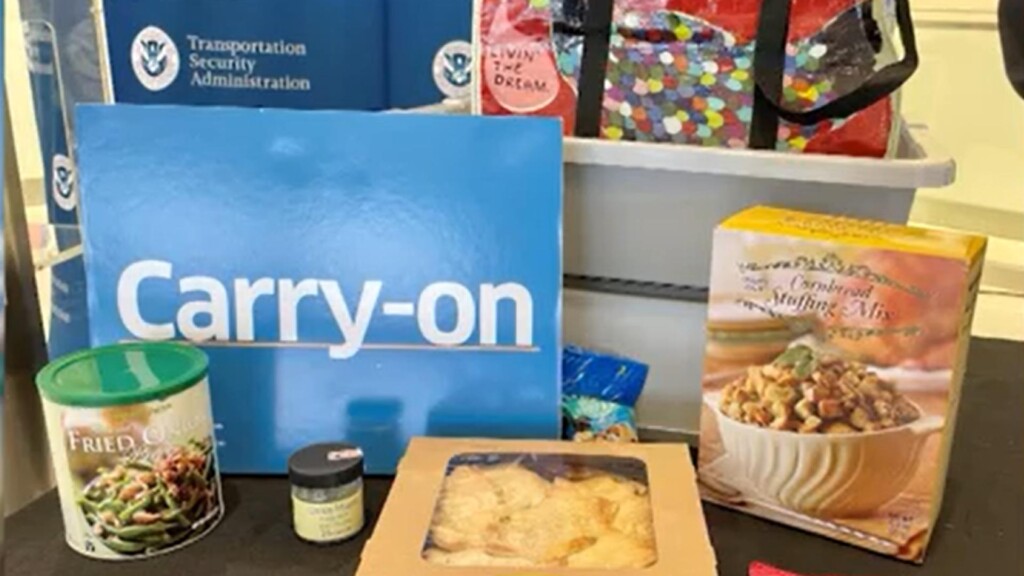
All food items must pass through the X-ray machine. Solid foods like sandwiches, fruits, and snacks usually pose no problem. Liquids, gels, and spreads must follow the 3-1-1 liquids rule. This means containers should be 3.4 ounces (100 ml) or less. Larger containers may be confiscated or require extra inspection. Some fresh fruits and vegetables might need additional screening. Frozen or packaged meals are allowed but may need to be opened. Security officers may ask questions about the food's origin and ingredients.
Tips For Smooth Security Checks
- Pack food in clear, resealable bags to speed up inspection.
- Keep liquids and gels in small containers within your carry-on.
- Inform officers about any special dietary or medical foods.
- Avoid bringing strong-smelling or messy foods to prevent issues.
- Place food items separately from electronics and liquids for easy scanning.
- Check airport and airline rules before packing your food.
International Travel Food Tips
Traveling internationally with food requires careful planning. Different countries have strict rules about what you can bring. Knowing these rules helps avoid fines and food confiscation. It also makes your journey smoother and stress-free.
Pack only allowed items and check regulations before you travel. Some foods may need special permits or certificates. Always prepare to declare any food items at customs. This honesty prevents problems and delays.
Customs Regulations
Customs rules vary by country and often change. Many countries ban fresh fruits, vegetables, meat, and dairy products. These items can carry pests and diseases. Processed and packaged foods usually have fewer restrictions.
Check the official customs website of your destination. Look for lists of prohibited and restricted food items. Follow the guidelines about quantity limits and packaging. Carry original receipts or labels for packaged foods.
Declaring Food Items
Always declare food items on your customs form. This includes snacks, spices, and homemade foods. Not declaring food can lead to fines or confiscation. Customs officers may inspect your luggage.
Be clear and honest when answering questions. Declare even small amounts of food to avoid issues. Keep food items accessible for inspection. This shows respect for local laws and helps you pass through quickly.
In-flight Food Ideas
Bringing your own food on a flight can make the journey more pleasant. Packing the right items saves money and ensures you eat what you like. Choose foods that stay fresh without refrigeration. Avoid messy or strong-smelling items. Here are some ideas for snacks and meals to carry onboard.
Easy Snacks To Pack
- Mixed nuts and seeds: nutritious and filling
- Granola bars: compact and energy-boosting
- Fresh fruit like apples or bananas: simple and healthy
- Crackers or rice cakes: crunchy and light
- Pre-cut veggies such as carrots or celery sticks
- Dried fruit: sweet and portable
- Cheese sticks or small cheese blocks: easy protein
- Dark chocolate squares: a little treat
Meals You Can Bring
Pack meals that do not spoil quickly or need heating. Use airtight containers to keep food fresh. Some meal ideas include:
- Sandwiches with peanut butter and jelly or cold cuts
- Pasta salad with vegetables and olive oil dressing
- Wraps filled with hummus and sliced veggies
- Hard-boiled eggs for protein
- Quinoa or rice salad with beans and herbs
- Cold grilled chicken or tofu pieces
Keep sauces in small, leak-proof containers. This prevents spills and keeps your bag clean. Choose meals you enjoy and feel good eating during travel.
Food Safety While Traveling
Traveling with food in your carry-on can be tricky, especially when it comes to keeping it safe to eat. You want to enjoy your snacks without risking foodborne illness or unpleasant surprises. Paying attention to food safety while traveling ensures your meals stay fresh and delicious throughout your journey.
Keeping Food Fresh
Keeping food fresh starts with how you pack it. Use airtight containers or resealable bags to prevent exposure to air, which causes food to dry out or spoil faster.
Consider using small, insulated lunch bags or coolers with ice packs for perishable items like cheese, fruits, or sandwiches. This helps maintain a safe temperature and keeps your food crisp and tasty.
Think about the duration of your trip. If you’re traveling more than a few hours, choose foods that naturally last longer without refrigeration, such as nuts, granola bars, or dried fruits.
Avoiding Spoilage
Spoilage happens quickly if food is exposed to heat or humidity. Try to avoid foods that can spoil easily, like mayonnaise-based salads or cooked meats, unless you can keep them properly chilled.
Pay attention to your environment. If you’re on a long flight with limited cooling options, opt for items that resist spoiling, such as fresh fruits like apples or bananas, rather than soft cheeses or dairy products.
Remember to check the expiration dates before packing your food. Carrying fresh items reduces the risk of eating spoiled food that might cause stomach issues during your travels.
Special Considerations
Flying with food in your carry-on requires extra thought beyond the usual TSA rules. You need to consider your personal needs, the type of food, and how it might affect your travel experience. Special considerations can make your journey smoother and keep your snacks hassle-free.
Dietary Restrictions
If you have dietary restrictions, carrying your own food can be a lifesaver. Whether you’re gluten-free, vegan, or have allergies, bringing familiar snacks ensures you won’t be stuck without safe options. Pack items that travel well, like nuts, dried fruit, or sealed protein bars.
Remember that some fresh fruits and vegetables may be restricted when flying internationally. Always check your destination’s rules to avoid surprises at customs. Have backup snacks in case something doesn’t pass security.
Traveling With Babies Or Kids
Traveling with little ones means food becomes more than just a snack—it’s a necessity for keeping them calm and happy. Baby food, formula, and breast milk are allowed in reasonable quantities, but you’ll need to declare them at security for inspection.
Pack familiar foods that your child enjoys and that won’t spoil quickly. Small, easy-to-eat finger foods like crackers or fruit slices can be lifesavers during delays. Have you ever noticed how a simple snack can turn a toddler meltdown into a smile?

Frequently Asked Questions
Can I Bring Homemade Food In My Carry-on Bag?
Yes, you can bring homemade food in your carry-on. Solid foods are allowed, but liquids and gels must follow TSA rules. Pack securely to avoid spills and check airline policies before flying.
Are There Restrictions On Liquids And Gels In Carry-on Food?
Liquids and gels in carry-on must be in containers of 3. 4 ounces (100 ml) or less. All containers should fit in a single quart-sized bag. This includes sauces, soups, and yogurt.
Can I Carry Fresh Fruits And Vegetables On A Plane?
Yes, fresh fruits and vegetables are allowed in carry-on bags. However, international flights may have restrictions on certain produce. Always check destination country rules before traveling.
Is Airport Security Strict About Carry-on Food Items?
Airport security screens all carry-on items, including food. Solid foods usually pass easily. Liquids, gels, and spreads require proper packaging and may be subject to additional screening.
Conclusion
Flying with food in your carry-on is usually allowed with some rules. Liquids like soups or sauces must meet airport security limits. Solid foods, like sandwiches or fruits, are easier to carry. Always check the rules of the airline and country you travel to.
Packing food carefully helps avoid spills or smells. Eating during the flight can save money and time. Knowing what you can bring makes travel less stressful. Simple planning keeps your journey smooth and tasty.