

Traveling with liquids in your carry-on can feel like navigating a maze. You want to bring your favorite shampoo, that special sunscreen, and maybe even a bottle of wine.
But the fear of spillage and security regulations can make it a daunting task. Have you ever found yourself standing at airport security, nervously watching as your carefully packed bag gets inspected? You're not alone. Many travelers face this challenge, but with the right strategies, you can breeze through security without losing a single drop of your essentials.
Let's dive into the secrets of packing liquids efficiently and safely, ensuring your next trip is smooth and stress-free. Stay with us, and you'll discover tips that will change the way you travel forever.
Tsa Liquids Rule Basics
Traveling with liquids in your carry-on requires following strict rules set by the Transportation Security Administration (TSA). These rules help keep everyone safe during flights. Knowing the basics of the TSA liquids rule will make packing easier and prevent delays at security checkpoints.
The TSA liquids rule focuses on the size and type of containers, as well as the total amount of liquids allowed per passenger. This guide breaks down the essential points to remember for a smooth airport experience.
Size Limits For Containers
The TSA allows containers no larger than 3.4 ounces (100 milliliters). Larger containers, even if only partly full, are not allowed in carry-on bags. This limit applies to all liquids, gels, creams, and aerosols.
Allowed Quantity Per Passenger
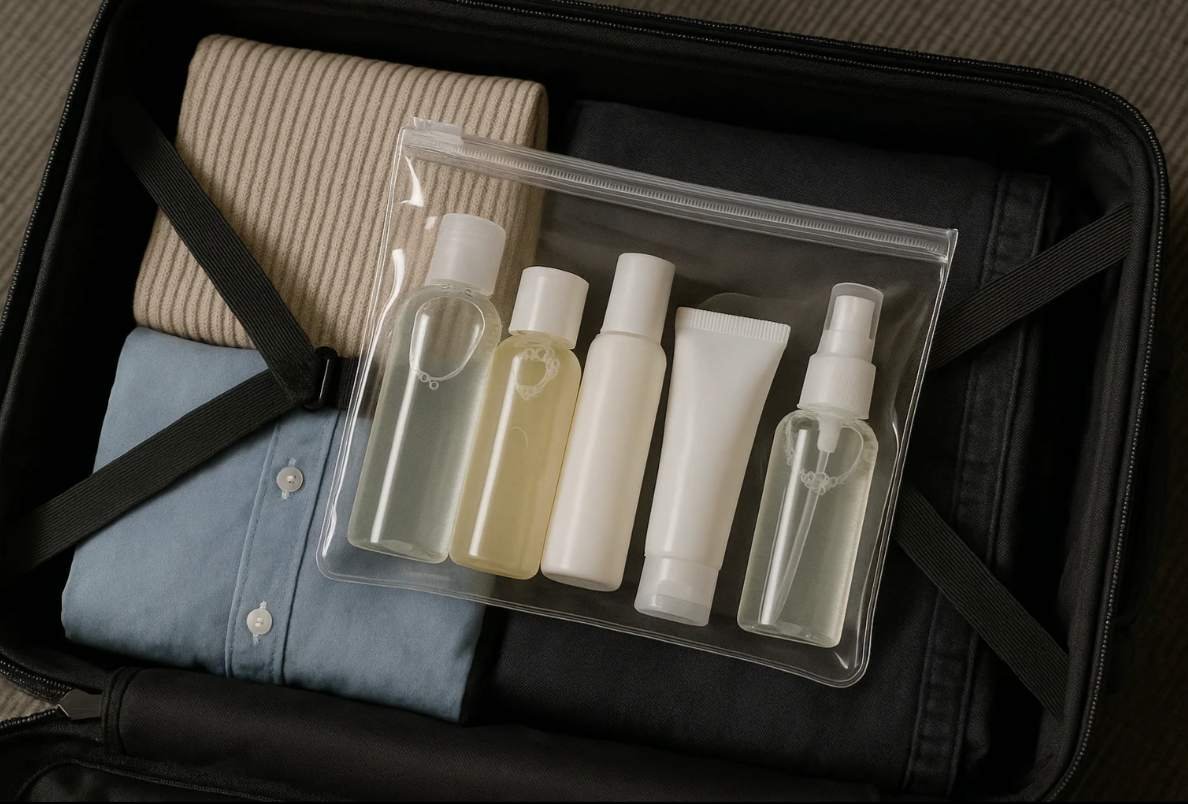
All liquids must fit into a single, clear, quart-sized plastic bag. Each passenger can carry only one of these bags. The bag must be sealed and easy to remove for inspection at security checkpoints.
Accepted Container Types
- Plastic bottles with screw-on caps
- Travel-sized spray bottles
- Small tubes for creams and gels
- Leak-proof containers that fit TSA size limits
Containers should be sturdy and not prone to leaking. Clear labeling helps TSA officers quickly identify liquids during screening.

Choosing The Right Containers
Choosing the right containers for liquids in a carry-on is key to smooth travel. Containers must meet airline rules and prevent spills. Small, secure containers save space and keep liquids safe.
Containers come in many shapes and materials. Some are better for certain liquids and travel types. Selecting the best containers ensures easy security checks and hassle-free packing.
Travel-sized Bottles
Travel-sized bottles hold small amounts of liquid allowed on planes. They usually carry 3.4 ounces (100 milliliters) or less. These bottles fit easily in clear plastic bags required by security.
Choose bottles that are easy to fill and clean. Transparent bottles help identify liquids quickly. Soft plastic bottles are lightweight and flexible for tight spaces.
Reusable Vs Disposable
Reusable bottles save money and reduce waste. They are good for longer trips and multiple uses. Durable materials like silicone or hard plastic work well.
Disposable bottles are convenient for short trips or one-time use. They are often cheaper but create more trash. Consider the trip length and personal habits before deciding.
Leak-proof Options
Leak-proof containers prevent spills and messes inside your bag. Look for bottles with tight screw caps or flip tops with seals. Some have locking mechanisms for extra security.
Test containers before packing. Shake them gently to check for leaks. Using leak-proof bottles protects clothes and electronics from damage.
Packing Liquids Efficiently
Packing liquids in a carry-on can be tricky. Airports have strict rules to keep liquids safe and easy to check. Efficient packing helps you follow these rules and saves space. It also makes security checks faster. Organizing liquids well means less stress during travel. Use smart techniques to pack liquids neatly and securely.
Using Clear Plastic Bags
Clear plastic bags let security officers see your liquids quickly. Choose bags that zip shut to avoid spills. Use one bag for all your liquids. Make sure each bottle fits easily inside. This keeps your liquids together and easy to reach. It also helps you follow the 3-1-1 rule for carry-ons.
Organizing By Frequency Of Use
Put liquids you need often near the top of your bag. Items like hand sanitizer or lip balm should be easy to grab. Less-used liquids can go deeper in your bag. This saves time during your trip. You avoid digging through your carry-on again and again.
Minimizing Space And Weight
Use travel-sized bottles to reduce bulk. Fill only what you need to avoid heavy bags. Pack bottles tightly to prevent movement. You can also use small containers for creams and gels. This keeps your bag light and compact. Every inch of space counts in a carry-on.
Special Liquids And Exceptions
Liquids in carry-on luggage often raise questions because certain items don’t fit the usual rules. Special liquids and exceptions exist to help travelers carry essential items without hassle. Understanding these exceptions can save you time and stress at airport security.
Medications And Baby Products
You can bring medications in liquid form that exceed the standard 3.4-ounce limit. This includes prescription medicines, insulin, and other necessary medical liquids. Always declare these items at the security checkpoint and keep them in their original containers if possible.
Baby products like formula, breast milk, and baby food are also allowed in larger quantities. You don’t need to pack them in the usual quart-sized bag. Just be prepared for additional screening, and consider bringing a doctor’s note if your baby has special dietary needs.
Duty-free Purchases
Duty-free liquids bought after you pass security checkpoints are allowed on board even if they exceed the normal size limits. Make sure these items are sealed in tamper-evident bags provided by the store. Keep your receipt handy, as officers may ask for proof of purchase.
Remember, if you have connecting flights, some airports require you to re-screen your liquids. So, double-check the rules for each airport on your route to avoid surprises.
Frozen And Gel Substances
Frozen liquids like ice packs or gel substances can be carried in your carry-on if they are completely frozen when you go through security. If they are partially melted or slushy, they might be treated as liquids and subject to restrictions. Use this tip to keep your food fresh or to manage pain during travel.
Think about your last trip—did you pack any frozen items? How did airport security handle them? Sharing your experience can help others understand how to manage these tricky items better.
Security Screening Tips
Security screening can feel stressful, especially when you’re carrying liquids in your carry-on. Knowing how to handle this process smoothly can save you time and frustration. Here are some practical tips to help you breeze through inspection with your liquids packed right.
Preparing For Inspection
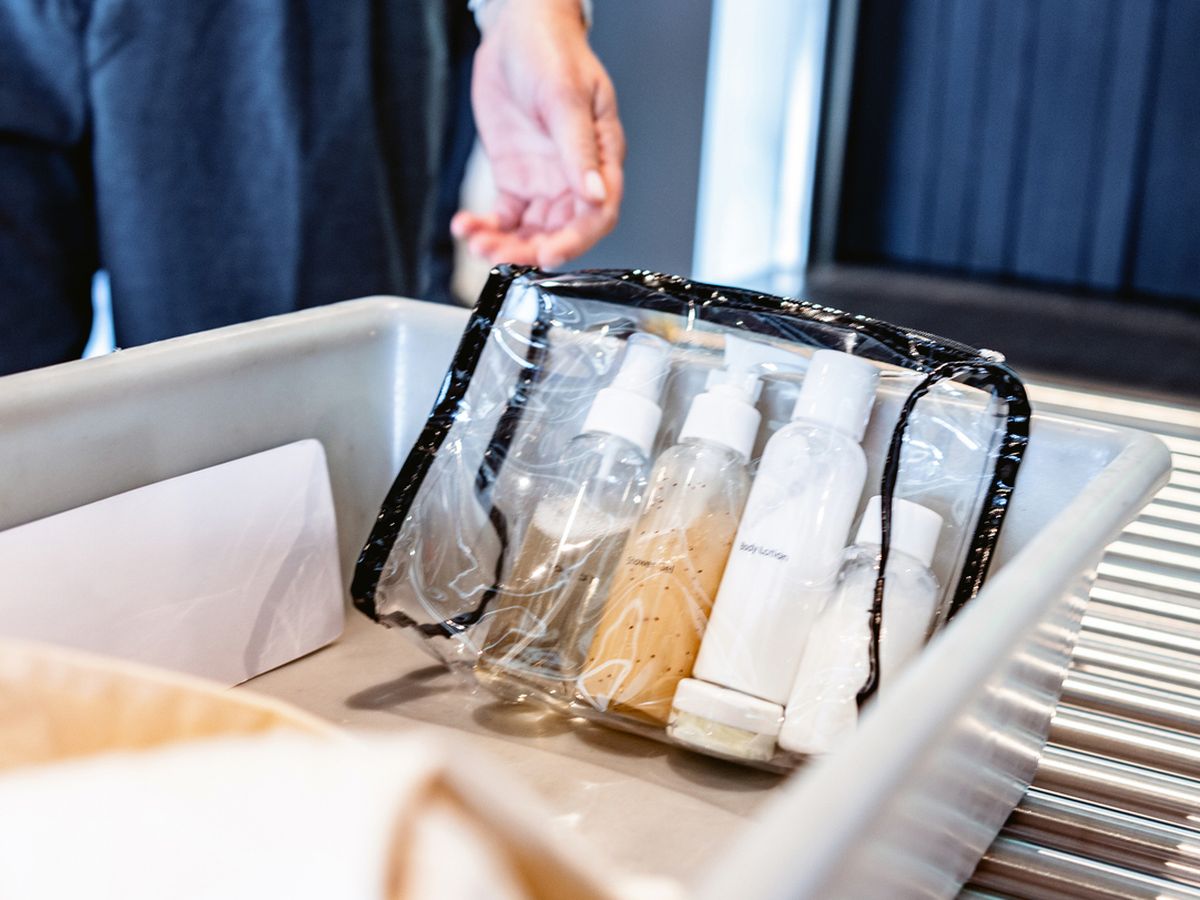
Before you reach the security checkpoint, organize your liquids in a clear, quart-sized bag. Make sure each container is 3.4 ounces (100 milliliters) or smaller. Place this bag in an easily accessible spot in your carry-on so you can quickly pull it out.
Think about your liquids as a mini puzzle you need to solve. Are your travel-sized shampoo, lotion, and toothpaste all grouped together? If not, take a moment to rearrange them now. This preparation reduces fumbling and speeds up the screening process.
Handling Questions From Tsa Agents
If a TSA agent asks about your liquids, answer calmly and clearly. It helps to know the rules beforehand so you can confidently explain what you’re carrying. For example, if you have baby formula or medication, mention it right away.
Have you ever noticed how a polite tone can change the atmosphere? Keeping your cool can make the interaction smoother. Don’t hesitate to ask questions yourself if you’re unsure about what’s allowed.
What To Do If Liquids Are Confiscated
It’s frustrating to lose a favorite product, but remember the rules are there for safety. If your liquids get confiscated, accept it without argument. You can ask if there’s a way to repurchase the item after security or find a similar product at your destination.
Consider this: could you pack a backup travel-sized liquid in your checked luggage next time? This simple step often prevents future losses. Keep your spirits up and focus on the exciting part of your journey ahead.

Additional Travel Tips
Packing liquids in a carry-on requires more than just following size rules. Small changes can make your travel smoother and less stressful. These additional tips help you save space and avoid problems at security checks.
Alternative Products To Reduce Liquids
Choose solid or powdered versions of your liquids. For example, use solid shampoo bars instead of bottles. Solid deodorants replace sprays or gels. Toothpaste tablets can reduce liquid toothpaste. These options save space and meet carry-on rules easily.
Packing Liquids For International Flights
Different countries may have unique liquid rules. Check the airport and airline regulations before packing. Use clear, resealable bags for liquids to speed up security checks. Keep essential liquids easily accessible in your carry-on. It helps avoid delays and confusion.
Using Travel Kits And Organizers
Travel kits keep your liquids neat and secure. Use small, leak-proof containers to avoid spills. Organizers with separate compartments help find items fast. Choose transparent bags for easy inspection at security. Compact kits make packing and unpacking faster and simpler.
Frequently Asked Questions
What Liquids Are Allowed In A Carry-on Bag?
Liquids must be in containers of 3. 4 ounces (100 ml) or less. All containers must fit in one clear, quart-sized plastic bag. This rule includes gels, creams, and aerosols.
How Should I Pack Liquids To Avoid Spills?
Use resealable plastic bags and tighten caps securely. Place the liquid bag at the top of your carry-on for easy access. Double-bagging fragile containers adds extra protection.
Can I Bring Liquid Medications On A Plane?
Yes, liquid medications are allowed in reasonable amounts. Inform TSA officers at security screening. Carry prescriptions or doctor’s notes if possible.
Are Duty-free Liquids Allowed In Carry-on Luggage?
Duty-free liquids over 3. 4 ounces are allowed if sealed in a tamper-evident bag. Keep the receipt visible inside the bag. Follow specific airline and country rules.
Conclusion
Packing liquids in a carry-on can feel tricky at first. Follow the rules for size and container type. Use clear, resealable bags to keep liquids organized. Double-check your items before you leave home. This helps you avoid delays at airport security.
Being prepared saves time and stress. Now, you can travel with ease and confidence. Safe and smooth journeys start with smart packing.